
adult skills
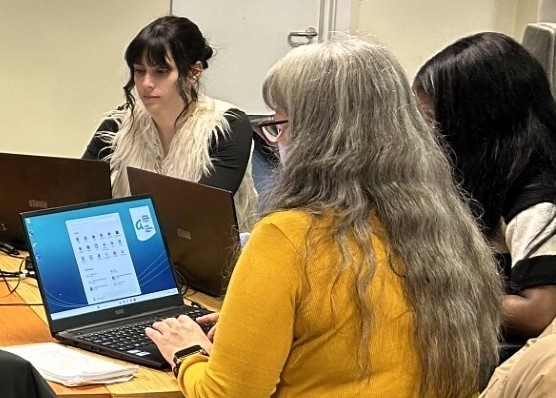
Teaching resilience as an employability skill in Wales
Resilience skills are embedded in employability courses by Adult Learning Wales, providing mature jobseekers and community newcomers with a range of ‘soft skills’ alongside the nuts and bolts of jobhunting.

Dearbháil Lawless: “Non-formal adult education puts learners at the heart of resilience”
The learner’s voice must be the central guide in non-formal adult education as it aims to bolster societal resilience, says Dearbháil Lawless. She leads Ireland’s National Adult Learning Organisation (AONTAS), which embeds adult learners’ voices into every stage of its activities.
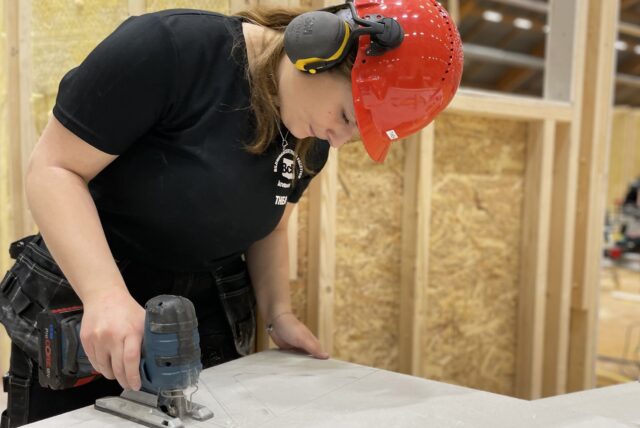
Trustworthy validation of qualifications for labour market needs
Over the past decade, the Swedish Qualifications Framework for Lifelong Learning has enabled thousands to earn non-formal qualifications in fields from forestry to hairdressing. Trustworthiness is built into the system, explains Anna Kahlson of the National Agency for Higher Vocational Education.

Alex Stevenson on England’s PIAAC results: Low-skilled adults are falling behind
A closer look at the 2023 PIAAC results on adult skills in England shows that the progress since 2013 has largely been among so-called high achievers. Low-skilled adults are being left behind, warns Alex Stevenson of the Learning and Work Institute.

Flexible skills validation for people outside the labour market
Sweden’s Folkuniversitetet has developed its own approach to the Open College Network (OCN) method, born in the UK half a century ago. It offers flexible skills validation for people who are detached from the mainstream labour market and education system.

Patrick Werquin: “RPL does not yet reach the neediest”
“Fear of failure and lack of guidance keep those who need it most from accessing recognition of prior learning,” writes Patrick Werquin, professor at the French higher education institution CNAM, in his column. He has worked in education and the labour market across Africa, Europe and Southeast Asia.

Soltic on Flanders tuition hikes: Threats to lifelong learning and employability
Flanders has raised fees for so-called “non-essential” courses. “Yet they often serve as stepping stones to career development, and short-term savings risk long-term growth,” writes Jorie Soltic of KU Leuven in her Speakers’ Corner column, produced with the European Association for the Education of Adults.
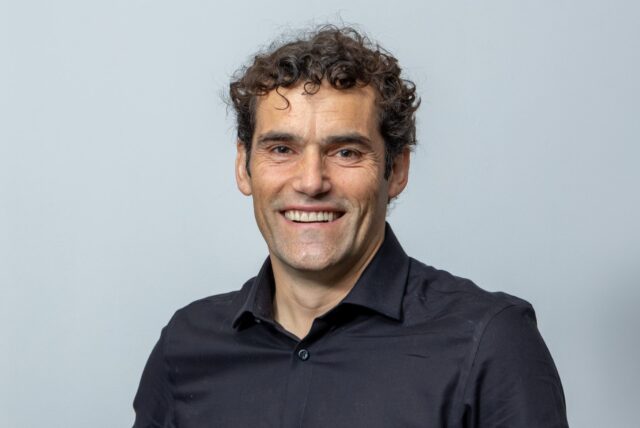
Villalba: Validation that empowers – putting learners at the centre
”If validation processes are too complex or inaccessible, they fail their purpose,” writes Ernesto Villalba from the European Centre for the Development of Vocational Education and Training (Cedefop). He calls for stronger support throughout identification and documentation.

Recognition of prior learning helps migrant women unlock their potential
As Europe struggles with fragmented systems for recognising prior learning (RPL), the EmpowerHer project offers an innovative approach that helps migrant women validate their work and life competences, build confidence and realise their potential.

EDITORIAL Why validation and recognition of prior learning matter now more than ever
In her editorial, ELM Editorial Board member Beth John explores the benefits of validation and recognition of prior learning. “Validation enhances motivation, self-worth, and supports efficient upskilling and reskilling,” she says.


