
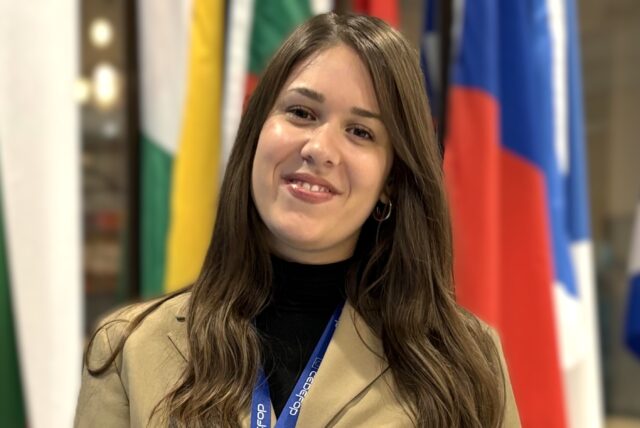
Anđela Gojić: “Adult education continuously challenges me to learn and adapt”
“Adult education not only enables the development of others, but also of those working within it. This is what makes it particularly meaningful to me,” says Anđela Gojić, master's student at the University of Belgrade. “Young Voices” is a series highlighting the perspectives of the next generation shaping adult education across Europe.
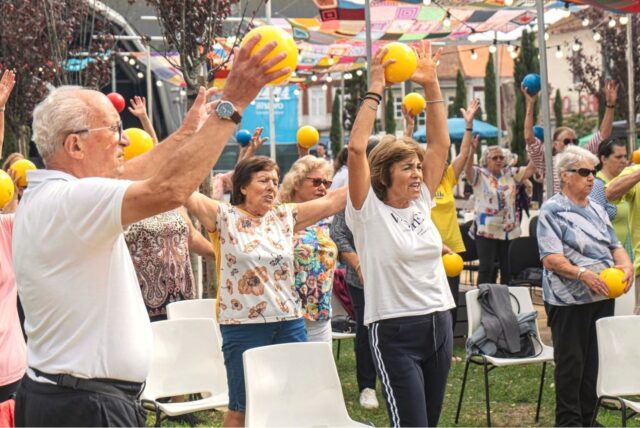
Community-based learning across Europe: lessons from local initiatives
Across three corners of Europe, a shared thread connects Italy, Portugal and Lithuania: the central role of community in lifelong learning.
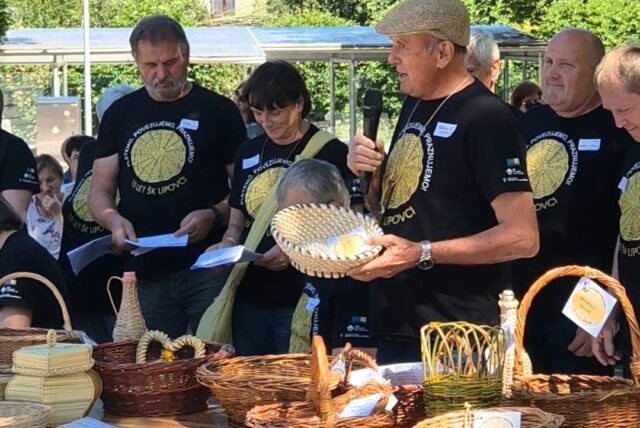
EDITORIAL Nataša Potočnik: “Community-based learning is key to addressing today’s challenges”
“We know more than ever. So why is solving problems together so hard?” asks ELM Editorial Board member Nataša Potočnik in her editorial. As a solution, she suggests community-based learning to foster collective knowledge creation.

Bernd Käpplinger on ‘resilience’: “It promotes passive adaptation”
“The buzz around the word ‘resilience’ masks structural problems and promotes passive adaptation over transformative change,” argues Bernd Käpplinger, Professor at Justus-Liebig-University Giessen, Germany.
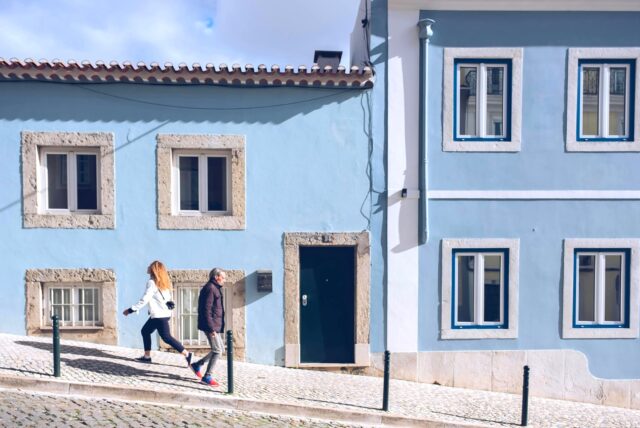
Portugal’s PIAAC results: Low skill scores – why political commitment to adult education is key
A PIAAC study on adult skills reveals a worrying picture in Portugal, says sociologist João Queirós from the Polytechnic University of Porto. He also has a set of practical proposals to improve the situation. Will the government take the lead?
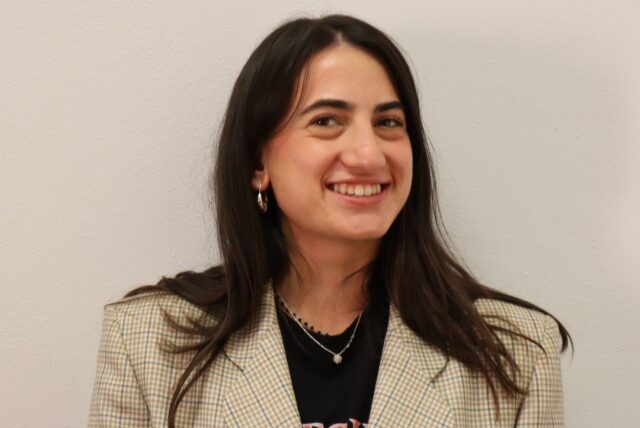
Margherita Pina: “We need conscious integration of digital tools in adult learning”
“Digital tools can transform education into an immersive, engaging and inclusive experience,” says Margherita Pina of the University of Macerata. The ELM series “Young Voices” highlights the perspectives of the next generation shaping adult education across Europe.
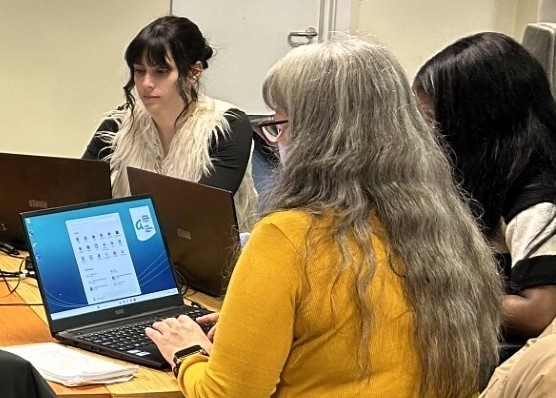
Teaching resilience as an employability skill in Wales
Resilience skills are embedded in employability courses by Adult Learning Wales, providing mature jobseekers and community newcomers with a range of ‘soft skills’ alongside the nuts and bolts of jobhunting.

EAEA’s Angeliki Giannakopoulou: “We must reshape unjust systems, not merely endure them”
“In digital environments, the goal of resilience should not be to produce individuals better equipped to survive broken systems, but communities able to reshape them,” writes Angeliki Giannakopoulou in her Speakers’ Corner column, produced with the European Association for the Education of Adults.
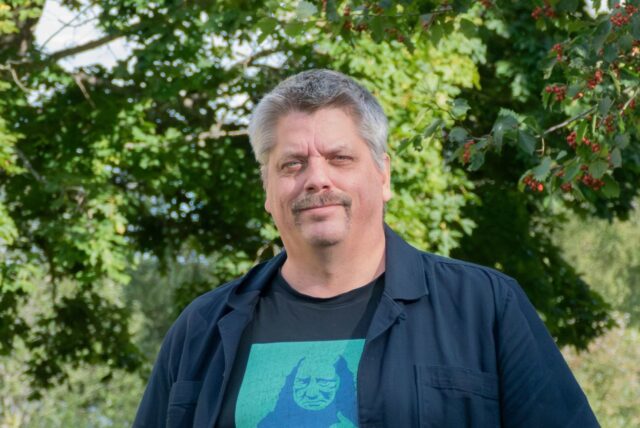
Tomas Rosengren: How folk high schools strengthen societal resilience
Non-formal adult education has played a crucial role in strengthening societal resilience in the Nordic countries – and is now more essential than ever, says Tomas Rosengren of the Swedish Teachers’ Union. In his view, teachers’ most important role is to help learners see the broader context of any subject.

RELA editors: Journals face ‘massive overproduction’ of academic articles
Amid growing pressures in academic publishing, what does it take to create an engaging and diverse journal in adult education? RELA co-editors Fergal Finnegan and António Fragoso reflect on the challenges and opportunities – and why they remain hopeful.


