
Learning & teaching
This category offers articles on best practices in learning and teaching, as well as the benefits and challenges of adult education and lifelong learning. These articles also explore global societal phenomena and their connections to lifelong learning.
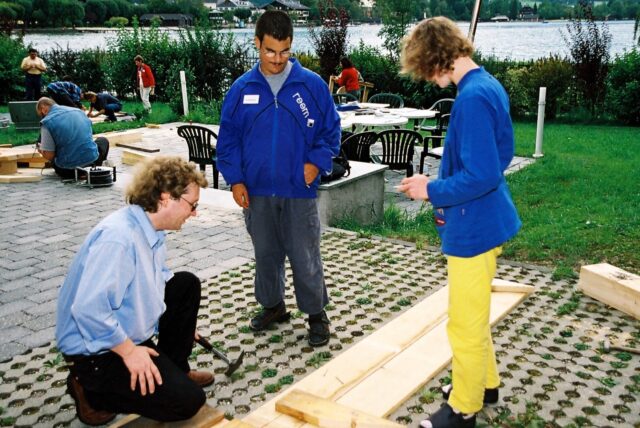
Inclusive approach: “We aim for individuals with and without disabilities to learn together”
A unique approach to create an educational space for everyone is deployed by Austria’s biv, the Academy for Integrative Education.
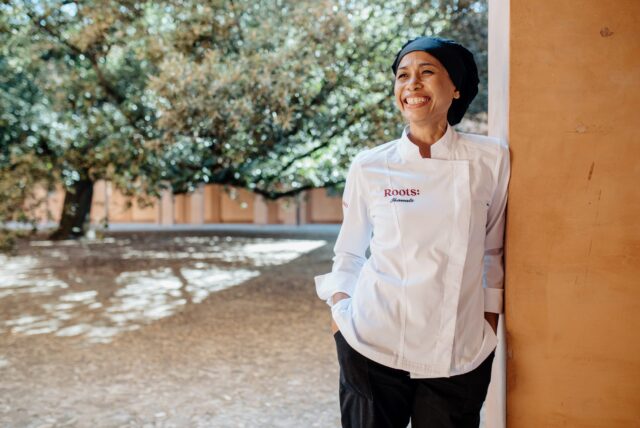
Working in restaurants helps migrant women thrive
In Modena, Italy, migrant women build their future through food. With the help of the Association for the Integration of Women, they learn skills required for restaurant work and integrate more easily into local society – while staying proud of their origins.
Singapore’s micro-credential programme gives a chance to update skills in a flexible way
Singapore’s SIT has come up with a way for professionals to update their skills competency with independence, whilst working full time. Stackable credits offer a pathway to short courses or full degrees.
Digitalisation and adult wellbeing: from social inclusion to privacy risks
Technology can work wonders. It can speed up work processes and connect people from opposite sides of the world. “All this is possible only if one knows how to use the technology,” warns Charalambos Vrasidas of CARDET.
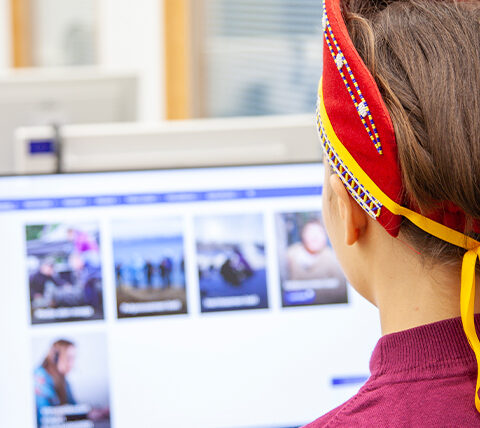
Online learning makes indigenous Sámi languages more accessible
Virtual distance education has increased interest and opportunities to study Sámi languages, says Tiisu-Maria Näkkäläjärvi, coordinator at the Sámi Education Institute in Finland.
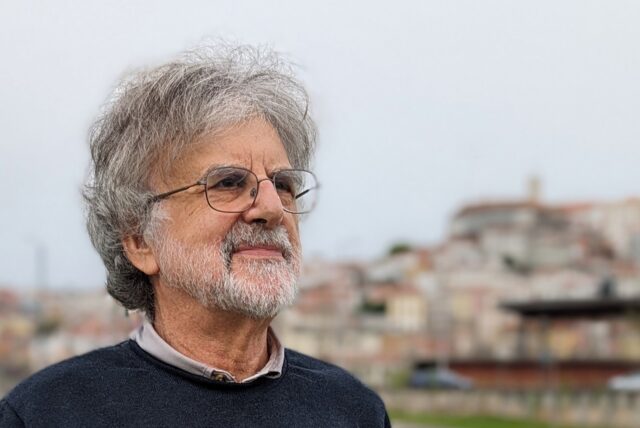
António Dias de Figueiredo: “If people stop exercising their minds, they may lose their ability to reason”
In ELM’s interview, António Dias de Figueiredo, retired professor of Information Systems at the University of Coimbra in Portugal, points to specific benefits and potential dangers of using AI in adult learning – and offers a gloomy assessment of the prospects for equality in digital learning across Europe.
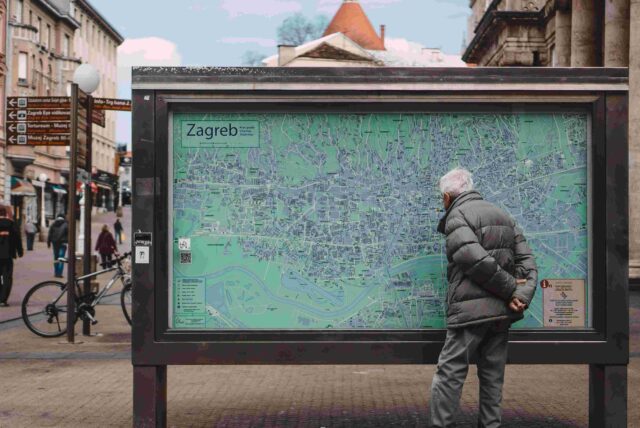
Empowering peace in the Balkans: Can adult education pave the way?
In the heart of the Balkans, the echoes of the Yugoslav Wars continue to reverberate through the lives of its inhabitants. As the scars of the conflict persist and peacebuilding attempts have often proved unsuccessful, adult education could be a beacon of hope in the region.

How to cultivate the Finnish learning concept of ‘sivistys’
In Finland, 2024 marks the year of 'sivistys', a wide-ranging concept that encompasses education, a broad base of knowledge, and much more. We ask two of Finland’s leading thinkers, Kristiina Brunila and Sixten Korkman, to elaborate.

Sabrina Severo da Silva: ”There is no universal recipe for peace”
What does peacebuilding demand from an educator? Experts on peace education from Serbia, Finland and Portugal share their insights.

Ukraine: Overcoming the war with adult education
Adult education institutions in Ukraine have chosen to continue their fundamental educational tasks, even under the extreme conditions of war. “They face the challenge of maintaining regular teaching activities but also ensuring that protective measures are in place for learners and staff,” says Tetyana Hoggan-Kloubert from the University of Augsburg in Germany in her interview with ELM Magazine.


