
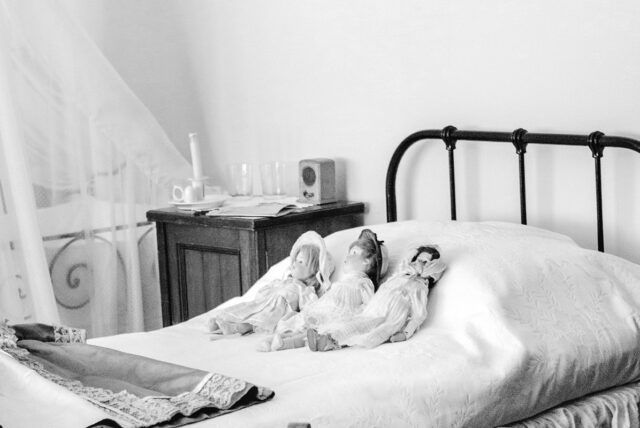
Education to stop child sexual abuse
Child sexual abuse continues to be a widespread phenomenon in Europe despite a European convention expressly requiring all countries to be effective in protecting children. Adult education is now playing an increasingly important role in prevention work.
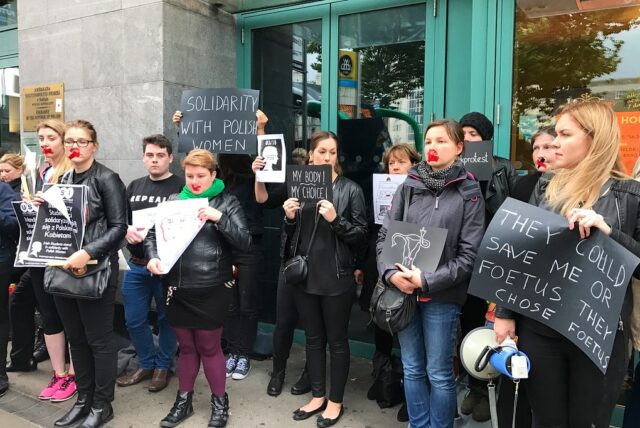
Black Protests, newly found feminism and voluntary sex education – Polish women are changing society
In recent years, Poland’s women have been visible in the international media – for fighting for their rights. What brought them to protest on the streets, and what kind of solutions have they come up with in their fight for equality?

Am I normal?
The #MeToo movement showed clearly that, for many of us adults, ideas of sexuality and sexual rights have grown outdated, to say the least. For the enjoyment and safety of us all, ways to start offering lifelong sex education should be found. The text is an editorial written for issue 2/2019 on Adult Education and Sex.

EPALE – A rich beauty with some challenges
The EU has invested a lot of money and human resources in an ePlatform for Adult Learning in Europe, EPALE. How does it work? In honour of the five-year anniversary, Michael Sommer listed the pros and cons of the project.

Digital competence for adult educators – now
It is time to take a new look at the digital competence of adult educators. We need to agree on what they need to know, and make sure they all have the necessary time, resources and support to continue to develop their digital competence. The text is a column published in the Speakers' Corner series.

Who is qualified to be an adult educator?
While teaching primary school children requires a qualification, in many countries virtually anyone can declare themselves to be an adult educator. The GRETA project in Germany is trying to find structure in a field suffering from systemic deskilling.
Validation in adult education – citizen’s right or a bugbear of achievement society
How do you prove that you have a certain skill? This is the question on everyone’s lips in the field of non-formal or liberal adult education. My question was, do I really have to? The text is an editorial written for issue 1/2019 on Adult Education and Validation.

Validation processes set to gain from 21st-century innovations – Challenges in certification still hampering learners
The modern world of open borders, workforce mobility and ever more digital and non-formal learning opportunities pose a validation challenge: a need to establish up-to-date methods for recognising competences.
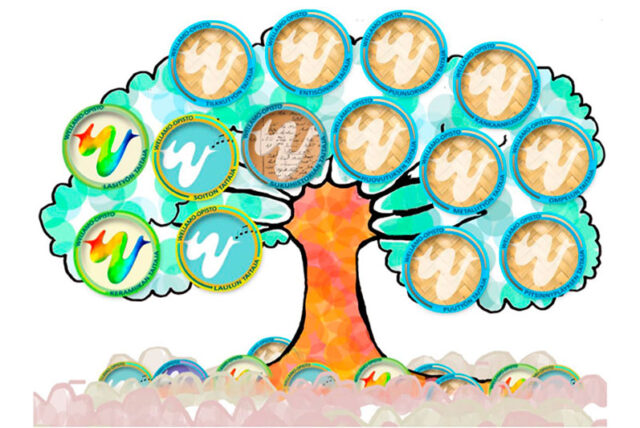
A badge for (working) life
Skills-based badges not only recognise a learner’s achievements but also boost their self-esteem and motivation. Merja Kittelä, a teacher responsible for planning at Wellamo Community College, answers three quick questions about her work in the validation of non-formal learning.

The recognition of all learning – not a utopia but a service package!
It is time to update traditional ideas about the recognition of learning, and to adopt a model from the world of children and young people, writes Lauri Tuomi, CEO of the Finnish Lifelong Learning Foundation. The text is a column written for issue 1/2019 on Adult Education and Validation.


