
Adult education for people with disabilities: How do you access the inaccessible?
Despite improvements in inclusive education in the compulsory and higher education sectors in the Republic of Ireland, participation by people with disabilities in adult education remains stubbornly low, writes Lisa Maria Reilly in her column.

Skills gap analysis for the future
Global pandemics, technological development, climate change, migration and aging populations all affect the types of skills that are needed in societies. The Norwegian Committee on Skill Needs was founded to better predict and prepare for these changes.

Pandemic perpetuates inequalities in learning
Across Europe, educationally vulnerable adults are now at a particularly high risk of being left behind. But the inherent flexibility of the ALE sector can also be a key in tackling the crisis.

Embracing the uncertainty of life
Life is full of things that catch us off guard. To deal with change, we need flexibility, resilience and an open mind – all things that adult education can help provide. The text is an editorial written for issue 2/2020 on Adult Education and the Unexpected.

Dying for beginners
“Last Aid Courses” have been gaining popularity in many parts of the world. They aim to offer basic knowledge in palliative care but also break taboos around death.
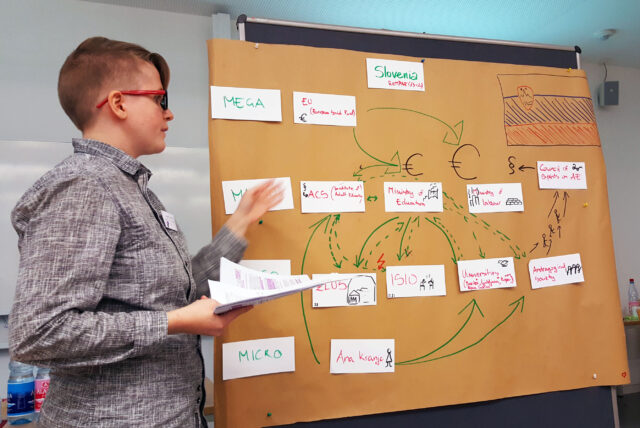
Discussing similarities and differences in global adult education
We asked four students from different parts of the world to reflect on their experience at the international Winter School of Adult Education and Lifelong Learning.
Learning freedom in self-isolation
COVID-19 is exposing gaps in infrastructure and is challenging our collective social systems. In Serbia, the situation has highlighted the consequences of the marketisation of adult education, writes Maja Maksimović. The text is a column published in the Speakers' Corner series.

Corona Crisis in Finland: A great leap into virtual adult learning?
The sudden shutdown of the adult education sector has forced institutions to quickly renew their thinking. In Finland, Lauri Tuomi witnessed how piano lessons and Spanish courses were moved online in only a matter of days. The text is a column published in the Speakers' Corner series.
Participation in adult education and the pandemic: Who is missing out?
Low-skilled and low-paid adults are providing essential services and known as key workers during the current pandemic. Will they have better chances for personal and career-related development in the future?, asks Professor Ellen Boeren from the UK. The text is a column published in the Speakers' Corner series.

What keeps Portugal’s elderly offline?
In Portugal only slightly over one third of senior citizens use the internet. In order to fight this digital exclusion, more must be done, researcher Celiana Azevedo argues.


