

Dying for beginners
“Last Aid Courses” have been gaining popularity in many parts of the world. They aim to offer basic knowledge in palliative care but also break taboos around death.
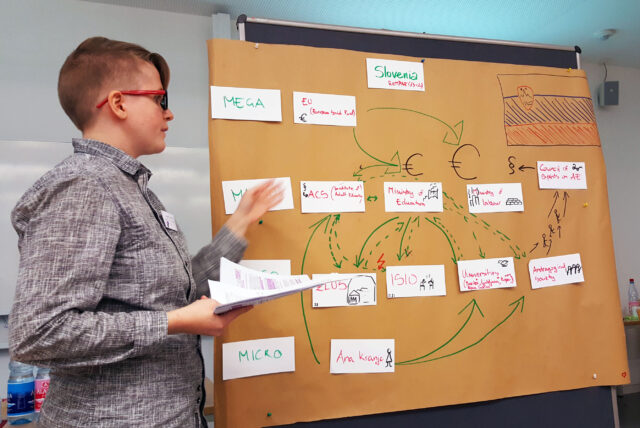
Discussing similarities and differences in global adult education
We asked four students from different parts of the world to reflect on their experience at the international Winter School of Adult Education and Lifelong Learning.
Learning freedom in self-isolation
COVID-19 is exposing gaps in infrastructure and is challenging our collective social systems. In Serbia, the situation has highlighted the consequences of the marketisation of adult education, writes Maja Maksimović. The text is a column published in the Speakers' Corner series.

Corona Crisis in Finland: A great leap into virtual adult learning?
The sudden shutdown of the adult education sector has forced institutions to quickly renew their thinking. In Finland, Lauri Tuomi witnessed how piano lessons and Spanish courses were moved online in only a matter of days. The text is a column published in the Speakers' Corner series.

Participation in adult education and the pandemic: Who is missing out?
Low-skilled and low-paid adults are providing essential services and known as key workers during the current pandemic. Will they have better chances for personal and career-related development in the future?, asks Professor Ellen Boeren from the UK. The text is a column published in the Speakers' Corner series.

What keeps Portugal’s elderly offline?
In Portugal only slightly over one third of senior citizens use the internet. In order to fight this digital exclusion, more must be done, researcher Celiana Azevedo argues.

Language as a tool for integration
How does learning a new language as an adult differ from learning one as a child? Five professionals from around the world and different backgrounds discuss their experiences of learning German in a new home country.
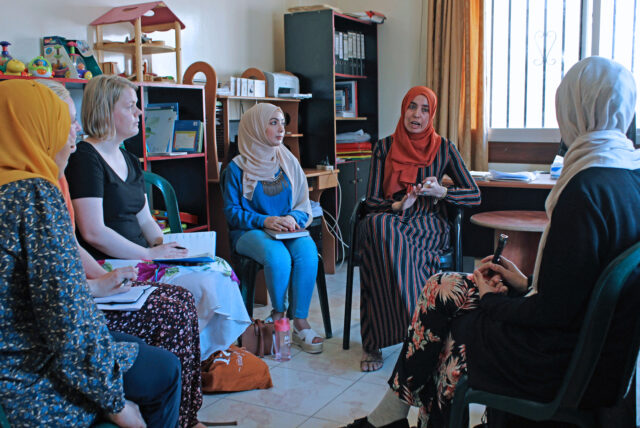
Refugee camp workers learn stress management to cope with desperate situations
Palestinian social workers in Lebanon have been training with psychologists to manage the stress caused by their job. The trainees are now learning to pass their skills on.

Senior citizens need learning to facilitate their daily life
Senior citizens can no longer just rely on digital experts at their work place, but have to learn to adopt new technologies by themselves. It is the duty of society to offer systematic and professional digital training based on senior pedagogy in order to facilitate daily life, writes Pirkko Ruuskanen-Parrukoski. The text is a column written for issue 1/2020 Adult Education and Mature Learners.

Why layers of life experience matter in learning
If life is the adult learner’s living textbook, seniors are those with the most pages in their books. Experiential learning can help bring this to the forefront, argues Anita Malinen.


