
skilled workforce
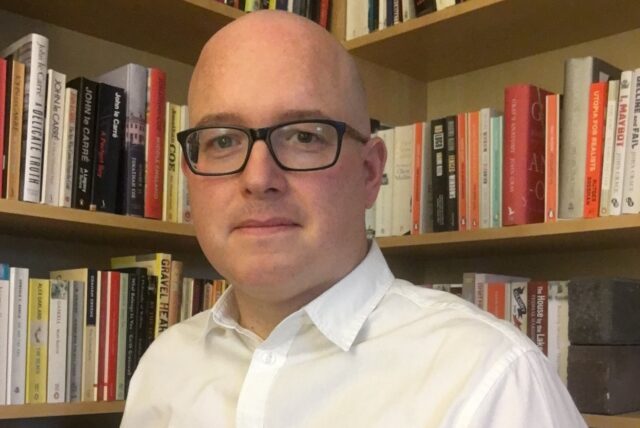
Alex Stevenson on England’s PIAAC results: Low-skilled adults are falling behind
A closer look at the 2023 PIAAC results on adult skills in England shows that the progress since 2013 has largely been among so-called high achievers. Low-skilled adults are being left behind, warns Alex Stevenson of the Learning and Work Institute.

Recognition of prior learning helps migrant women unlock their potential
As Europe struggles with fragmented systems for recognising prior learning (RPL), the EmpowerHer project offers an innovative approach that helps migrant women validate their work and life competences, build confidence and realise their potential.

EDITORIAL Why validation and recognition of prior learning matter now more than ever
In her editorial, ELM Editorial Board member Beth John explores the benefits of validation and recognition of prior learning. “Validation enhances motivation, self-worth, and supports efficient upskilling and reskilling,” she says.

Elif Bahar, OECD: “Upskilling demands flexibility, funding and motivation”
Elif Bahar from the OECD stresses the need for workers to update their skills—but how, when time, cost and access are barriers? In her Speakers’ Corner column, Bahar shares possible solutions. The column series is produced in cooperation with the European Association for the Education of Adults.

Project Stories: Empowering career advisors to combat digital exclusion
Gudrun Totland Raddatz from the Norwegian Labour and Welfare Administration discusses a competency package developed for the employees to help combat digital exclusion among residents.

Micro-credentials for megatrends: Nordic and German approaches
Amid European challenges, the Nordic countries and Germany are turning to adult education, short-term courses and micro-credentials for solutions. A closer look at the countries reveals differences and areas for improvement.

EDITORIAL Making flexibility real
In her editorial on the theme of Flexible Learning Approaches, ELM Editorial Board member Antra Carlsen explores flexible learning and highlights micro-credentials as an important tool for supporting it.

Paolo Federighi on micro-credentials: Progress toward equality, but equity remains elusive
They provide affordable and flexible learning opportunities, but do they truly promote equity and inclusivity? “Not quite yet,” says Paolo Federighi, Honorary Professor of Adult Education at the University of Florence, in reference to the much-debated micro-credentials.

Singapore’s micro-credential programme gives a chance to update skills in a flexible way
Singapore’s SIT has come up with a way for professionals to update their skills competency with independence, whilst working full time. Stackable credits offer a pathway to short courses or full degrees.
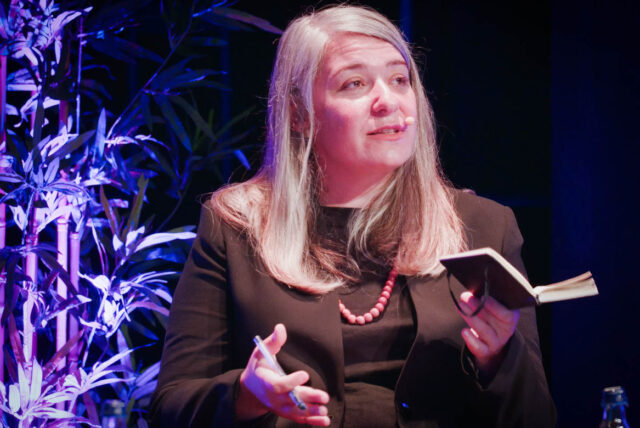
Duygu Güner: “Ignoring the hidden barriers behind low training participation is no longer an option”
In her Speakers’ Corner column, economist Duygu Güner describes the past year as being marked by an enthusiastic discussion on skills shortages and the imperative of continuous reskilling/upskilling efforts in the EU. Nevertheless, determining how to increase low training participation rates remains the main challenge. Speakers’ Corner columns are produced in cooperation with EAEA, the European Association for the Education of Adults.


