
policy
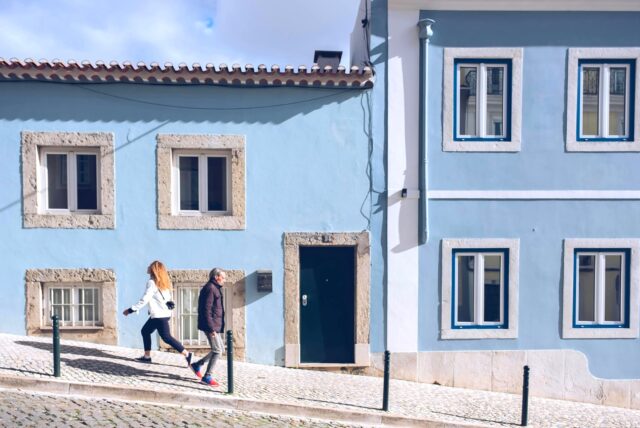
Portugal’s PIAAC results: Low skill scores – why political commitment to adult education is key
A PIAAC study on adult skills reveals a worrying picture in Portugal, says sociologist João Queirós from the Polytechnic University of Porto. He also has a set of practical proposals to improve the situation. Will the government take the lead?
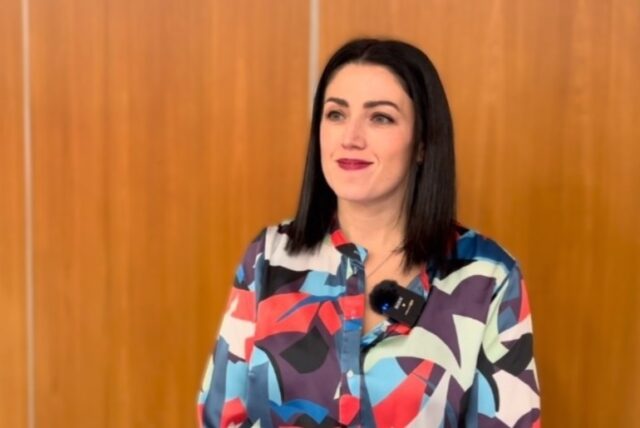
Dearbháil Lawless: “Non-formal adult education puts learners at the heart of resilience”
The learner’s voice must be the central guide in non-formal adult education as it aims to bolster societal resilience, says Dearbháil Lawless. She leads Ireland’s National Adult Learning Organisation (AONTAS), which embeds adult learners’ voices into every stage of its activities.

EDITORIAL Paul Stanistreet: “We need resilient communities, not just resilient workers”
Current adult education policies focus on individual labour market resilience, often overlooking wider societal responsibilities. In this editorial, ELM Editorial Board member Paul Stanistreet calls for a shift towards collective resilience that supports democratic problem-solving.

Lana Konstantinović: “We must participate in discussions that shape change”
“Adult educators must be able to analyse concepts and defend their views,” says Lana Konstantinović, a master’s student at the University of Belgrade. She emphasises that real educational progress also requires patience. “Young Voices” is a new series highlighting the perspectives of the next generation shaping adult education across Europe.

Soltic on Flanders tuition hikes: Threats to lifelong learning and employability
Flanders has raised fees for so-called “non-essential” courses. “Yet they often serve as stepping stones to career development, and short-term savings risk long-term growth,” writes Jorie Soltic of KU Leuven in her Speakers’ Corner column, produced with the European Association for the Education of Adults.

Recognition of prior learning helps migrant women unlock their potential
As Europe struggles with fragmented systems for recognising prior learning (RPL), the EmpowerHer project offers an innovative approach that helps migrant women validate their work and life competences, build confidence and realise their potential.

EDITORIAL Why validation and recognition of prior learning matter now more than ever
In her editorial, ELM Editorial Board member Beth John explores the benefits of validation and recognition of prior learning. “Validation enhances motivation, self-worth, and supports efficient upskilling and reskilling,” she says.

Micro-credentials for megatrends: Nordic and German approaches
Amid European challenges, the Nordic countries and Germany are turning to adult education, short-term courses and micro-credentials for solutions. A closer look at the countries reveals differences and areas for improvement.

Lauri Tuomi of EAEA: “No adult learner in Europe should be left behind”
Lauri Tuomi, President of EAEA since June 2025, envisions a future where every adult learner can pursue lifelong learning. But how can this goal be achieved? And how can sustainable funding be secured?

EAEA’s Kihrer: Strengthening the links between policy, practice and research
Raffaela Kihrer became the new Secretary General of the European Association for the Education of Adults (EAEA) in January 2025. What are her main objectives in this role? What brings her the most joy? And what worries keep her up at night?


