
lifelong learning
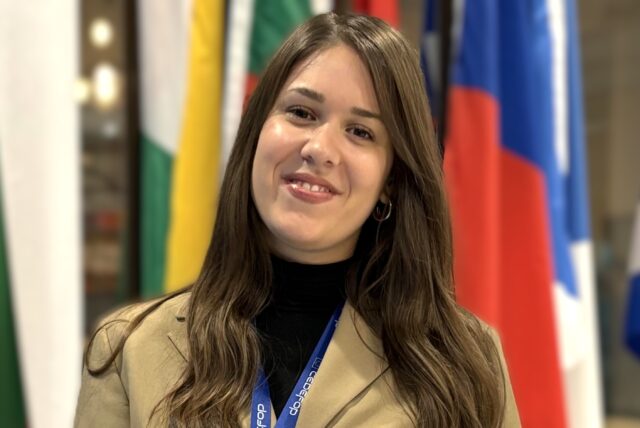
Anđela Gojić: “Adult education continuously challenges me to learn and adapt”
“Adult education not only enables the development of others, but also of those working within it. This is what makes it particularly meaningful to me,” says Anđela Gojić, master's student at the University of Belgrade. “Young Voices” is a series highlighting the perspectives of the next generation shaping adult education across Europe.
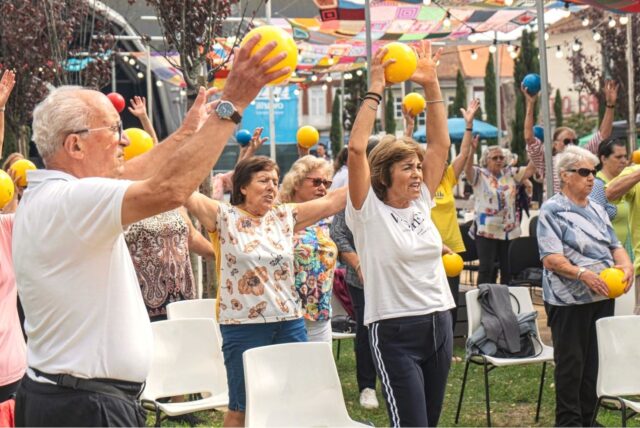
Community-based learning across Europe: lessons from local initiatives
Across three corners of Europe, a shared thread connects Italy, Portugal and Lithuania: the central role of community in lifelong learning.
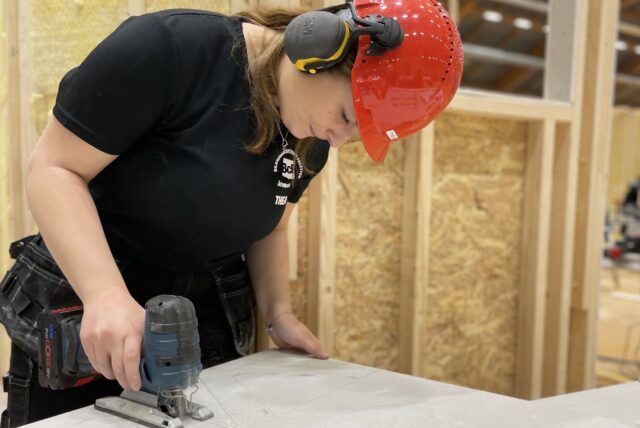
Trustworthy validation of qualifications for labour market needs
Over the past decade, the Swedish Qualifications Framework for Lifelong Learning has enabled thousands to earn non-formal qualifications in fields from forestry to hairdressing. Trustworthiness is built into the system, explains Anna Kahlson of the National Agency for Higher Vocational Education.
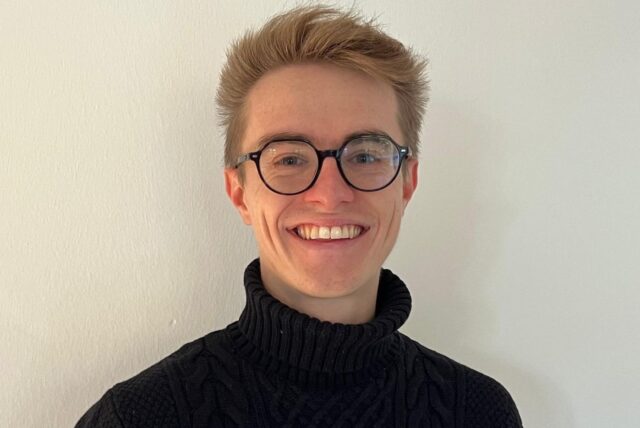
Tommaso Caraccioli: “Adult educators need visibility and recognition”
Our “Meet the board” series introduces the members of ELM Magazine’s editorial board. Our new member, Tommaso Caraccioli from the University of Würzburg, emphasises the value of exchanging knowledge and experiences among educators.
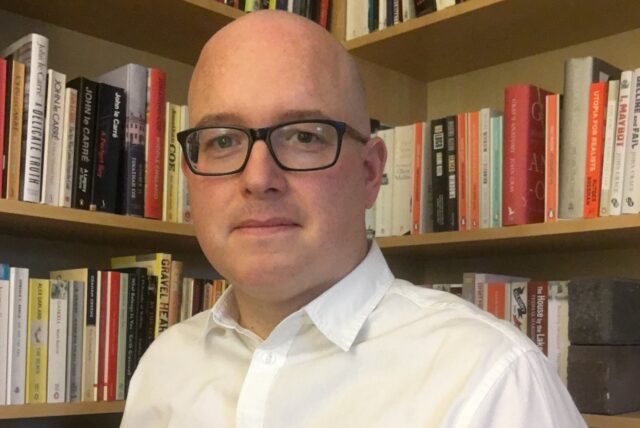
Alex Stevenson on England’s PIAAC results: Low-skilled adults are falling behind
A closer look at the 2023 PIAAC results on adult skills in England shows that the progress since 2013 has largely been among so-called high achievers. Low-skilled adults are being left behind, warns Alex Stevenson of the Learning and Work Institute.

Flexible skills validation for people outside the labour market
Sweden’s Folkuniversitetet has developed its own approach to the Open College Network (OCN) method, born in the UK half a century ago. It offers flexible skills validation for people who are detached from the mainstream labour market and education system.
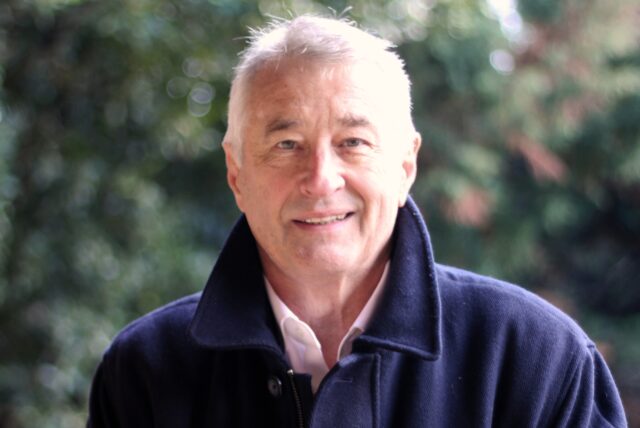
Patrick Werquin: “RPL does not yet reach the neediest”
“Fear of failure and lack of guidance keep those who need it most from accessing recognition of prior learning,” writes Patrick Werquin, professor at the French higher education institution CNAM, in his column. He has worked in education and the labour market across Africa, Europe and Southeast Asia.
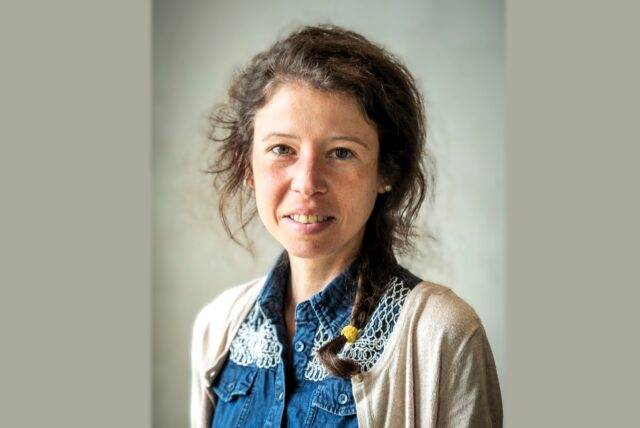
Soltic on Flanders tuition hikes: Threats to lifelong learning and employability
Flanders has raised fees for so-called “non-essential” courses. “Yet they often serve as stepping stones to career development, and short-term savings risk long-term growth,” writes Jorie Soltic of KU Leuven in her Speakers’ Corner column, produced with the European Association for the Education of Adults.
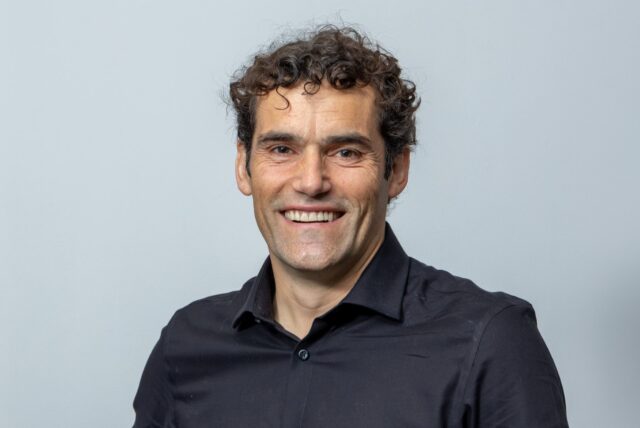
Villalba: Validation that empowers – putting learners at the centre
”If validation processes are too complex or inaccessible, they fail their purpose,” writes Ernesto Villalba from the European Centre for the Development of Vocational Education and Training (Cedefop). He calls for stronger support throughout identification and documentation.

Recognition of prior learning helps migrant women unlock their potential
As Europe struggles with fragmented systems for recognising prior learning (RPL), the EmpowerHer project offers an innovative approach that helps migrant women validate their work and life competences, build confidence and realise their potential.


