
critical thinking

Bernd Käpplinger on ‘resilience’: “It promotes passive adaptation”
“The buzz around the word ‘resilience’ masks structural problems and promotes passive adaptation over transformative change,” argues Bernd Käpplinger, Professor at Justus-Liebig-University Giessen, Germany.
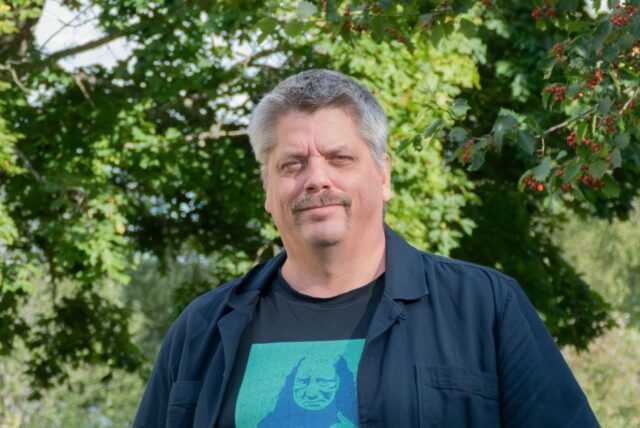
Tomas Rosengren: How folk high schools strengthen societal resilience
Non-formal adult education has played a crucial role in strengthening societal resilience in the Nordic countries – and is now more essential than ever, says Tomas Rosengren of the Swedish Teachers’ Union. In his view, teachers’ most important role is to help learners see the broader context of any subject.

EDITORIAL Paul Stanistreet: “We need resilient communities, not just resilient workers”
Current adult education policies focus on individual labour market resilience, often overlooking wider societal responsibilities. In this editorial, ELM Editorial Board member Paul Stanistreet calls for a shift towards collective resilience that supports democratic problem-solving.
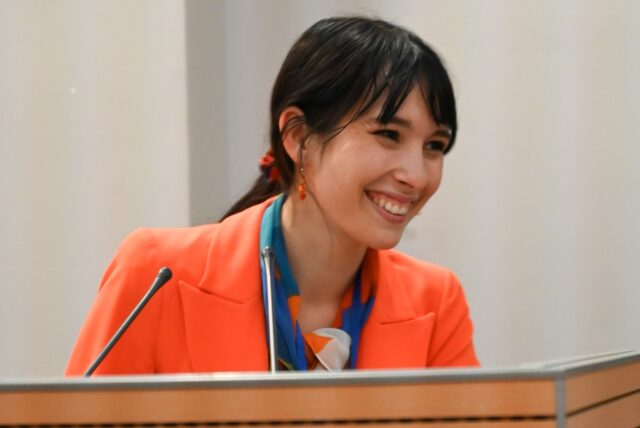
Lana Konstantinović: “We must participate in discussions that shape change”
“Adult educators must be able to analyse concepts and defend their views,” says Lana Konstantinović, a master’s student at the University of Belgrade. She emphasises that real educational progress also requires patience. “Young Voices” is a new series highlighting the perspectives of the next generation shaping adult education across Europe.

Democracy at the crossroads: dialogue or defence?
With polarisation on the rise, is meaningful dialogue across divides still possible? Political scientist Richard Gebhardt and psychologist Marina Weisband explore the issue from a German perspective.

Building democracy: How to prepare citizens for effective participation
“We see a danger of democracy collapsing, and the need for a new framework for adult civic learning to respond to it,” say Tetyana Hoggan-Kloubert and Chad Hoggan, authors of the new book Learning for Democracy: A Framework for Adult Civic Learning.


