
Competence

Micro-credentials for megatrends: Nordic and German approaches
Amid European challenges, the Nordic countries and Germany are turning to adult education, short-term courses and micro-credentials for solutions. A closer look at the countries reveals differences and areas for improvement.
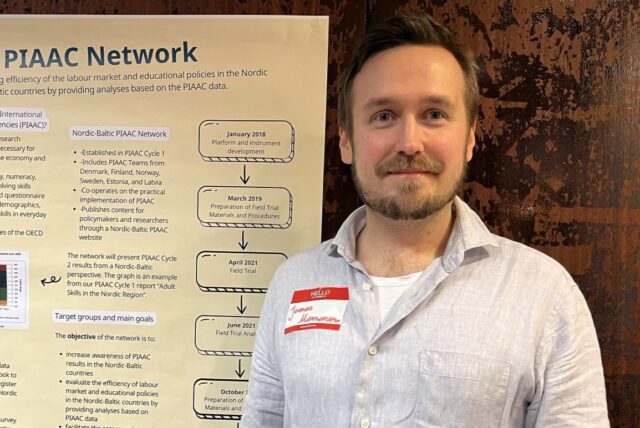
Transforming PIAAC results into action: On what to focus
The 2023 Survey of Adult Skills, the OECD’s International Assessment of Adult Competencies on literacy, numeracy and problem-solving skills, paints a polarised picture between high- and low-performing countries. Data reveals a pressing need for policymakers to focus on lifelong and life-wide learning to ensure that education is more adaptive to evolving demands.

Permaculture skills improve food security and generate income
A Zimbabwean NGO teaches local people about permaculture and agroecology. New skills have encouraged people to grow their food in a sustainable manner and start businesses around organic foods.

How did you like our last issue?
What did you like most in our issue on future skills and competences? Which topics would you like to explore more? Write to us!

Transversal skills – why and how to make them visible?
Communication and cooperation skills are important in today´s labour market. But how to assess them? Professor Maurice de Greef from Vrije Universiteit Brussel has studied the validation of transversal skills in the TRANSVAL-EU project.

Future skills for a brave new world
Understanding how artificial intelligence (AI) works is a key skill – now and for tomorrow – says leading computer science and information technology professor Matti Tedre.

How should we define artistic skills?
How should we go about cataloguing artistic skills? Is the mere thought of reducing art to a catalogue of skills an affront to the artist’s creativity? Isn’t art an end in itself? These questions were discussed in Évora, Portugal during a recent workshop framed in the European Year of Skills 2023.

HOPE project: Identifying skills gained in life
Nikolina Garača, social service worker based in the Balkans, answers three quick questions on the project “Helping women gain power in their lives” (HOPE). The project’s aim is to help women to identify their competences gained in informal environments, be it in family or through coping with challenges in their life.

Core competences to face the changes
Be true to your core competences, but don’t forget the open mind. The text is an editorial written for issue 2/2023 on Redefining Skills and Competences.

Vocational skills are no longer enough for adult education in Europe
Are vocational skills still enough for adults in the challenging job market? Marcella Milana, professor in education and Chair of the European Society for Research on the Education of Adults, believes that unless we consider adults as citizens first, vocational skills won’t be enough.


