
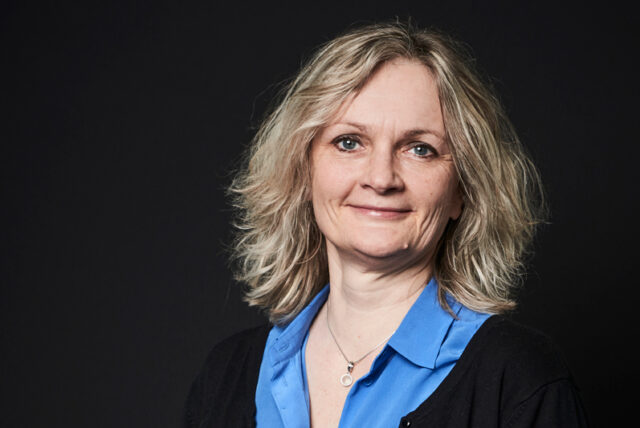
I argue: Visuals play a crucial role in digital learning
In ELM’s "I argue" series, Professor Mie Buhl asserts that visuals are highly influential in digital learning environments, profoundly impacting cognitive development and social capacity within learning practices. The new series of columns, "I argue," features texts written by researchers, each presenting a well-argued statement on a topic of their research.

How does the new EU AI Act affect the adult education sector?
Aiming at protecting fundamental rights and democracy in digital education, that’s for sure. What about the duties and obligations? What are they? All Digital’s Policy Officer Norman Röhner answers three quick questions about the new EU AI Act, which is expected to come into force by June 2024.

Joshua Wilhelm: “We shouldn’t ban GenAI, but teach a critical way of using it”
Tools that utilise generative artificial intelligence have spread like wildfire. Joshua Wilhelm, in his column, expresses concern about the increasing, uncritical use of these tools among students. Drawing from personal experience, he proposes a solution: teaching comprehensive AI literacy. How should we do it?

Online learning makes indigenous Sámi languages more accessible
Virtual distance education has increased interest and opportunities to study Sámi languages, says Tiisu-Maria Näkkäläjärvi, coordinator at the Sámi Education Institute in Finland.
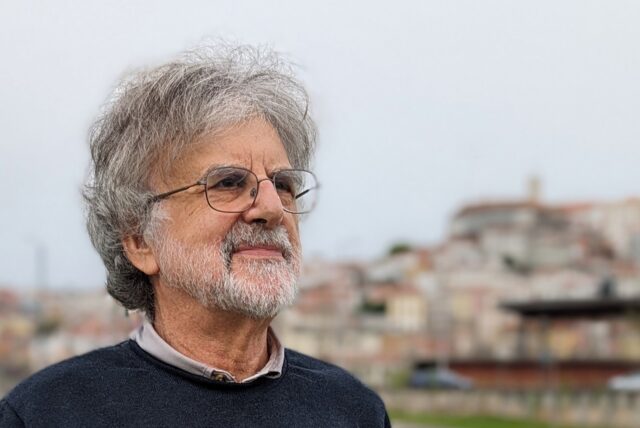
António Dias de Figueiredo: “If people stop exercising their minds, they may lose their ability to reason”
In ELM’s interview, António Dias de Figueiredo, retired professor of Information Systems at the University of Coimbra in Portugal, points to specific benefits and potential dangers of using AI in adult learning – and offers a gloomy assessment of the prospects for equality in digital learning across Europe.
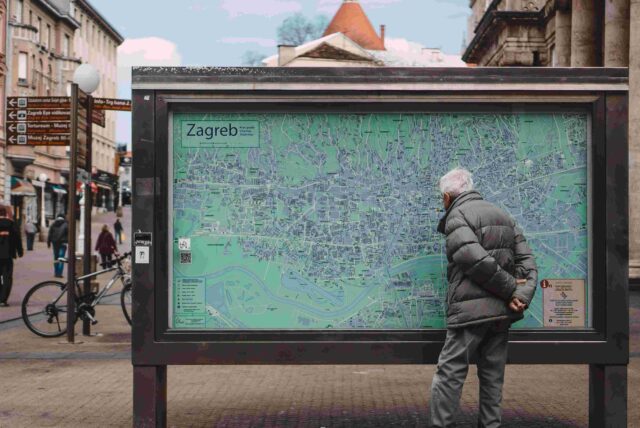
Empowering peace in the Balkans: Can adult education pave the way?
In the heart of the Balkans, the echoes of the Yugoslav Wars continue to reverberate through the lives of its inhabitants. As the scars of the conflict persist and peacebuilding attempts have often proved unsuccessful, adult education could be a beacon of hope in the region.
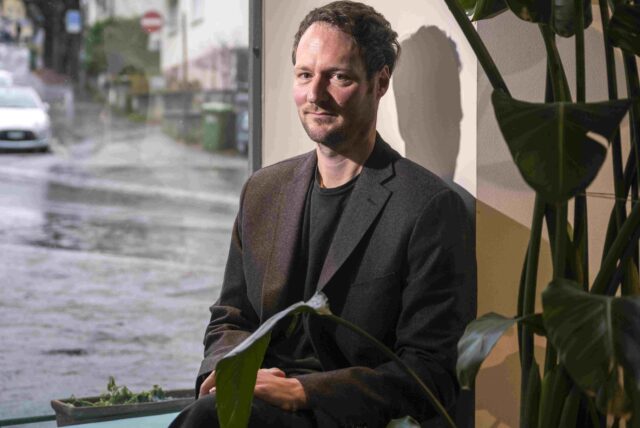
How can we talk with people with radically different worldviews?
Social anthropologist Emanuel Schaeublin, in his column, points out the increasing importance of being able to conduct constructive conversations with those who view the world in radically different ways. He describes two skills which pave the way toward this.

How to cultivate the Finnish learning concept of ‘sivistys’
In Finland, 2024 marks the year of 'sivistys', a wide-ranging concept that encompasses education, a broad base of knowledge, and much more. We ask two of Finland’s leading thinkers, Kristiina Brunila and Sixten Korkman, to elaborate.

Adult education and civil society organisations: Learning spaces in times of democratic turbulence
Nils-Eyk Zimmermann, in his column, argues that adult education addressing civic competence and active citizenship should be better supported. According to him, civil society organizations play a key role in bringing about social change and solving problems in societies.
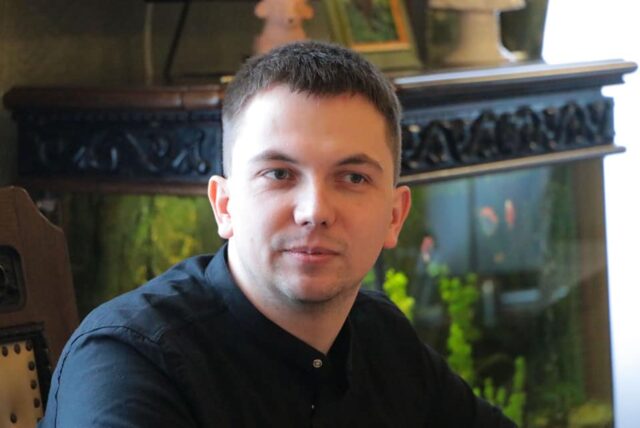
Ukraine’s adult education looks to the future
A current draft law on changing adult education is key to societal renewal in Ukraine – now and after the war – says Mykyta Andreev, the former Executive Director of the Ukrainian Adult Education Association.


