

Welcome to exploring articles on Inclusion and Adult Education
During the summer, ELM Magazine will focus on the theme of inclusion in adult education.

Singapore’s micro-credential programme gives a chance to update skills in a flexible way
Singapore’s SIT has come up with a way for professionals to update their skills competency with independence, whilst working full time. Stackable credits offer a pathway to short courses or full degrees.
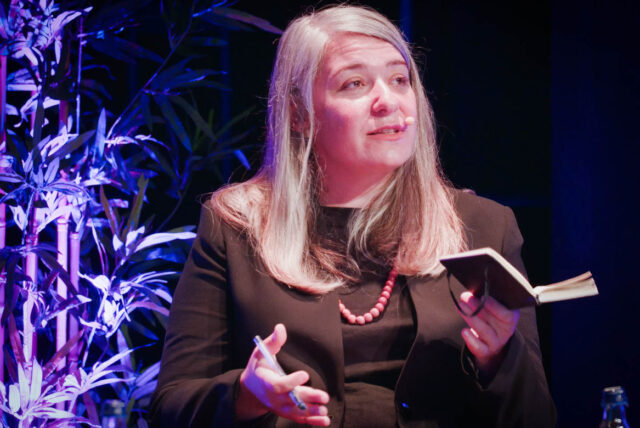
Duygu Güner: “Ignoring the hidden barriers behind low training participation is no longer an option”
In her Speakers’ Corner column, economist Duygu Güner describes the past year as being marked by an enthusiastic discussion on skills shortages and the imperative of continuous reskilling/upskilling efforts in the EU. Nevertheless, determining how to increase low training participation rates remains the main challenge. Speakers’ Corner columns are produced in cooperation with EAEA, the European Association for the Education of Adults.

Digitalisation and adult wellbeing: from social inclusion to privacy risks
Technology can work wonders. It can speed up work processes and connect people from opposite sides of the world. “All this is possible only if one knows how to use the technology,” warns Charalambos Vrasidas of CARDET.
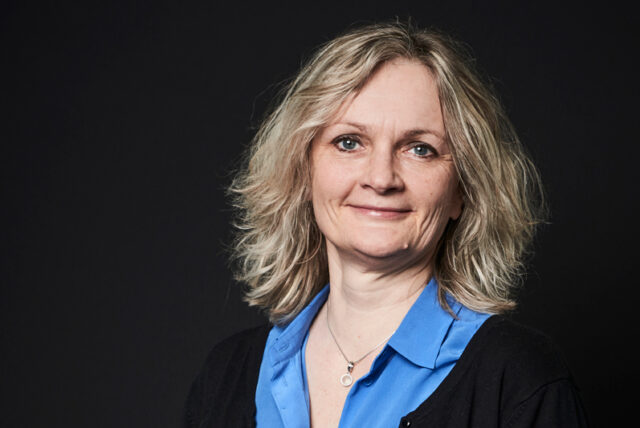
I argue: Visuals play a crucial role in digital learning
In ELM’s "I argue" series, Professor Mie Buhl asserts that visuals are highly influential in digital learning environments, profoundly impacting cognitive development and social capacity within learning practices. The new series of columns, "I argue," features texts written by researchers, each presenting a well-argued statement on a topic of their research.

How does the new EU AI Act affect the adult education sector?
Aiming at protecting fundamental rights and democracy in digital education, that’s for sure. What about the duties and obligations? What are they? All Digital’s Policy Officer Norman Röhner answers three quick questions about the new EU AI Act, which is expected to come into force by June 2024.

Joshua Wilhelm: “We shouldn’t ban GenAI, but teach a critical way of using it”
Tools that utilise generative artificial intelligence have spread like wildfire. Joshua Wilhelm, in his column, expresses concern about the increasing, uncritical use of these tools among students. Drawing from personal experience, he proposes a solution: teaching comprehensive AI literacy. How should we do it?

Online learning makes indigenous Sámi languages more accessible
Virtual distance education has increased interest and opportunities to study Sámi languages, says Tiisu-Maria Näkkäläjärvi, coordinator at the Sámi Education Institute in Finland.
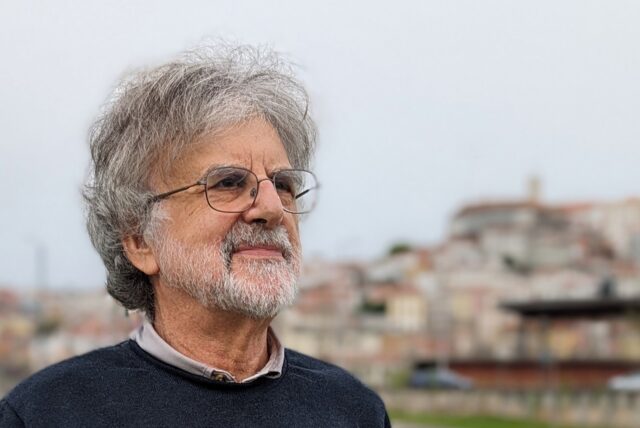
António Dias de Figueiredo: “If people stop exercising their minds, they may lose their ability to reason”
In ELM’s interview, António Dias de Figueiredo, retired professor of Information Systems at the University of Coimbra in Portugal, points to specific benefits and potential dangers of using AI in adult learning – and offers a gloomy assessment of the prospects for equality in digital learning across Europe.
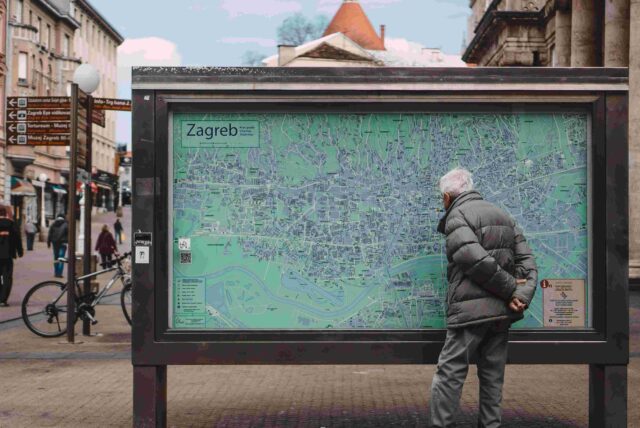
Empowering peace in the Balkans: Can adult education pave the way?
In the heart of the Balkans, the echoes of the Yugoslav Wars continue to reverberate through the lives of its inhabitants. As the scars of the conflict persist and peacebuilding attempts have often proved unsuccessful, adult education could be a beacon of hope in the region.


