

A big plus for Erasmus+: but what for?
The adult education community should be aware and self-confident enough to maintain a strong position as the future of funding is currently being decided. Adult learning should not be the 5-percent-Cinderella of Erasmus, writes Michael Sommer. The text is a column written for issue 2/2018 on Adult Education and the EU.

EU knowledge for all: a success story from Austria
CONEDU, an Austrian association has created a basic text on Adult Education in the EU, which has been integrated into the national validation system for adult educators. Karin Kulmer from the association shares their experience.
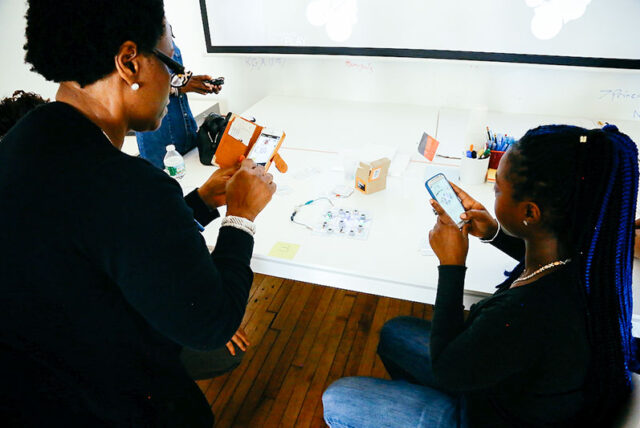
Can games really help adults learn better?
The US-based Institute of Play wants to unlock the power of games and play to transform 21st century education.
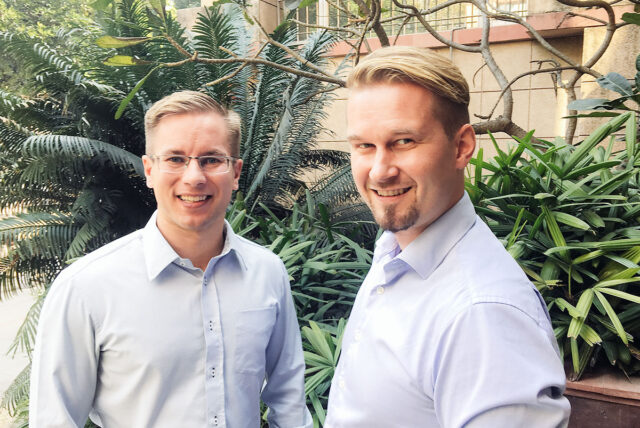
Finland aspires to lead the adult education export market
Finnish education export company Edunation plans to attract 150 000 students from Asia to Finland to study robotics, automation and many other subjects relevant today.
Sharing Heritage – but shaping whose identity?
2018 is the year of European Cultural Heritage. However, the first research results also highlight questions of power and privilege. The question is: ‘whose’ European identity is presented throughout the ‘European Year of Cultural Heritage’?
Wikis: New ways to learn old things
Wikipedia events demonstrate that heritage institutions are not dusty throwbacks or exclusive clubs for academics but are vibrant, modern, welcoming community hubs, says Jason Evans, National Wikimedian for Wales.
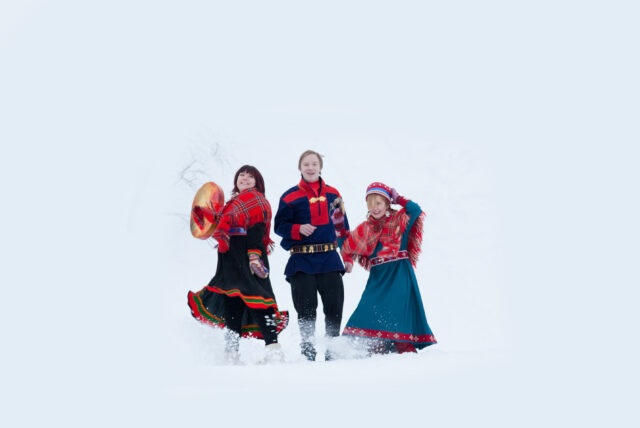
Taking the Sámi language back
It can be challenging for indigenous people to stick to their traditional livelihoods, culture, language and identity in the modern world. To keep their culture vital, the Scandic Sámi people utilise adult education centres across national borders.
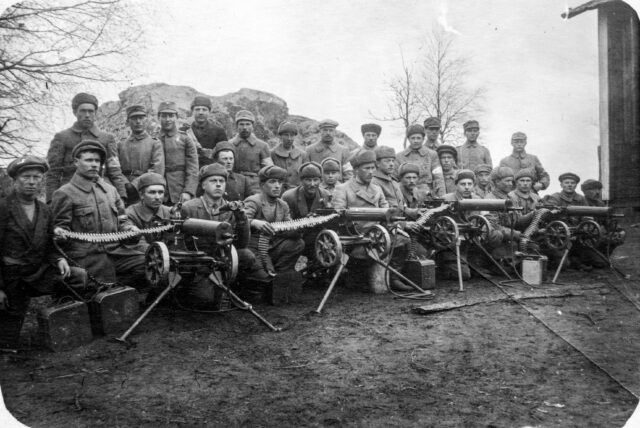
How to change history?
The past 100 years have seen many changes in the teaching of the narrative of the Finnish Civil War. Adult education and independent studying are ways of receiving an up-to-date history lesson.

“We are a collective memory”
Recognizing that people have suffered and that we have been responsible for their suffering serves to strengthen relationships, says memory scholar Aleida Assmann.
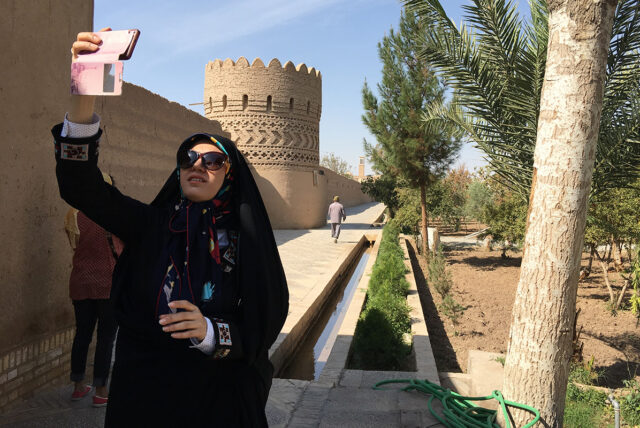
The Gulf countries’ diversity can help to create an environment of learning
The Gulf region’s strength is in its diversity. Adult education can help to deepen the understanding of different cultures but much needs to be done as lifelong learning in the region lacks structural and systematic approach.


