

Education journals can be mediators and agenda setters
Adult education journals and publications are important communicators of research-based knowledge. More and more of them are becoming fully digital.
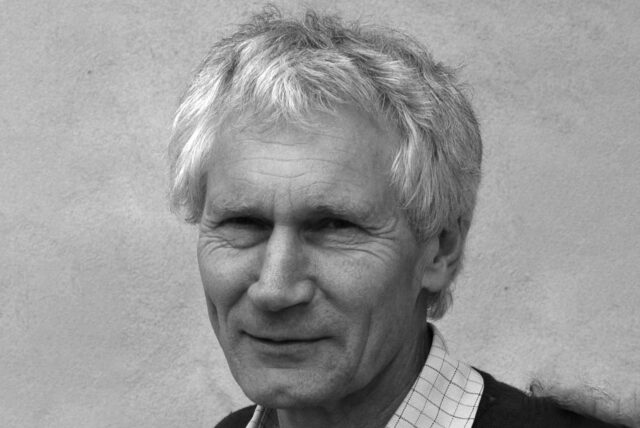
Curiosity led Bjarne Wahlgren to work at the intersection of two worlds
For Bjarne Wahlgren, it was a natural choice to have one career line in education practice and one in academia. More focus on learning transfer is urgently needed, he argues.

Sustainable knowledge transfer requires new ways of collaboration
The dialogue between research and practice in adult education must start with considering the fundamental differences between both systems, writes Peter Brandt from the DIE. The text is an essay written for issue 3/2021 on Research & Practice of Adult Education.

“I wanted to change the system” – Three paths to research in adult education
Scholars from Iceland, Finland and Ireland share why they embarked on an academic career and how they chose their research topic.
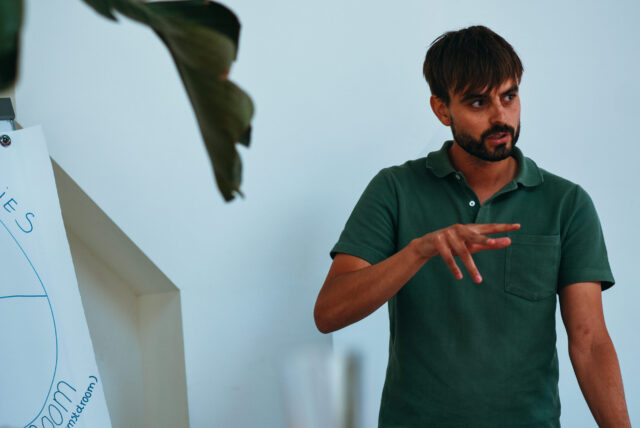
Bringing Bildung ideal to life: Q&A with Michiel Tolman
The Bildung Academy translates classical bildung theory into contemporary education programmes. The founder, Michiel Tolman, wanted to create a broader approach to educating adults.
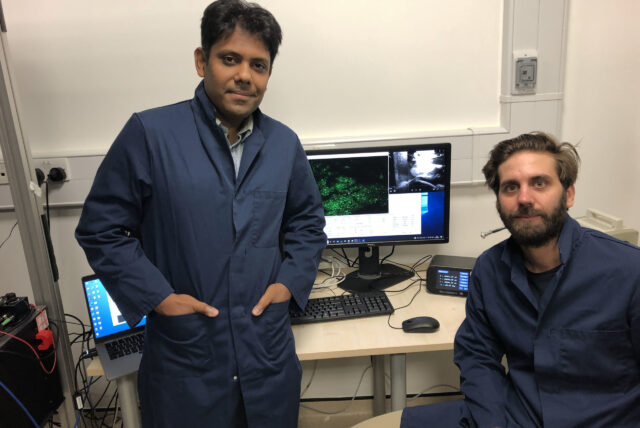
Neuroscience research is vulnerable to hijacking in the self-improvement market
Neuroscience research will have a resounding effect on how we structure our own learning. But we need to be cautious about how the language of science is used in claims about learning.

Elm autumn issue 2021 examines research and practice in adult education
Journalistic media such as Elm Magazine can have an important role as a connector between research and practice. For the upcoming theme issue, Elm partners with the Year of Research-based knowledge.

Behind the Door: access needs support to be opportunity
Discourse around opportunity and access often overshadows the realities of educational policies and structures in Europe, David Kazamias writes in his column.

There is no magic trick for reaching the most vulnerable learners
Basic skills training for low skilled adults requires diverse approaches, forms and tools, Ivana Studená writes. The text is a column written for Speakers’ Corner series.

Wandering, exploring and taking ownership of the city
Walking in the city is about much more than just getting from A to B.


