Learning & teaching

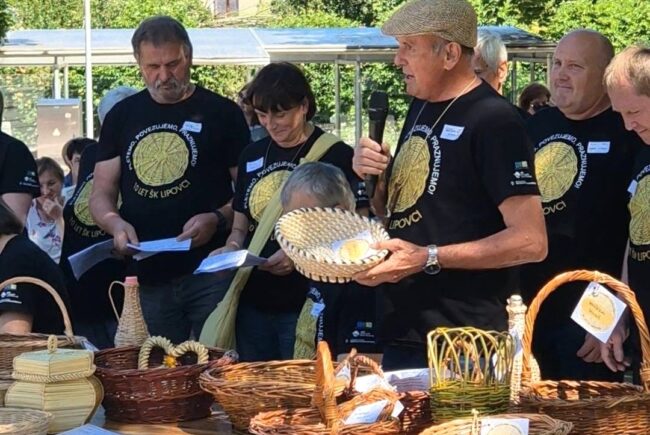
In a study circle in Lipovci, Slovenia, villagers are reviving the nearly lost art of basketweaving. “The distinctive value of community-based learning lies in its ability to connect knowledge with action,” says Nataša Potočnik of the Slovenian Institute for Adult Education. Photo: Ema Meden.
In a study circle in Lipovci, Slovenia, villagers are reviving the nearly lost art of basketweaving. “The distinctive value of community-based learning lies in its ability to connect knowledge with action,” says Nataša Potočnik of the Slovenian Institute for Adult Education. Photo: Ema Meden.
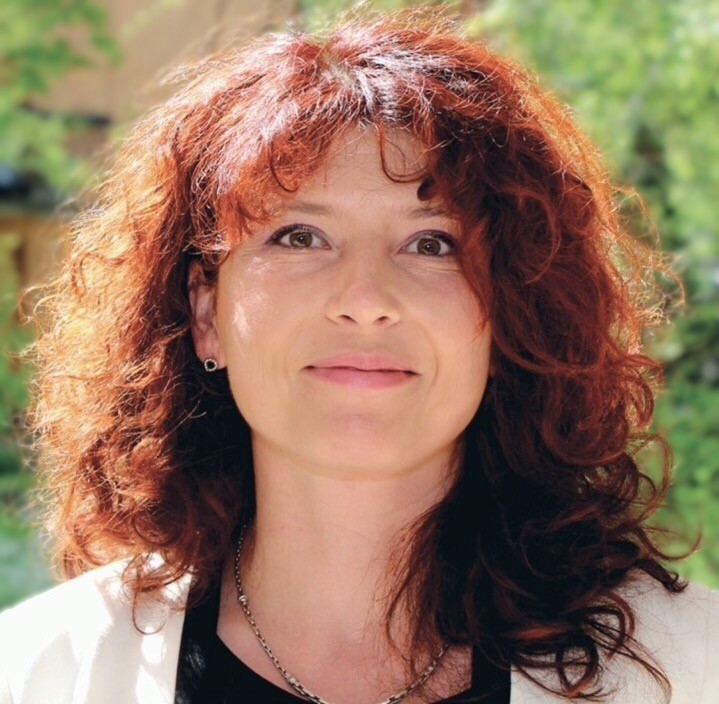
“We know more than ever. So why is solving problems together so hard?” asks ELM Editorial Board member Nataša Potočnik in her editorial. As a solution, she suggests community-based learning to foster collective knowledge creation.
Never before have we known so much.
We have almost unlimited amounts of information at our fingertips. We can learn anywhere, anytime, and about almost anything. Artificial intelligence promises even faster access to knowledge and increasingly personalised learning.
Yet many of the challenges we face in the 21st century tell a different story. Climate change. Digital transformation. Ageing populations. Loneliness. Social polarisation. Growing uncertainty. These are not issues that individuals can address on their own, no matter how educated or skilled they are. Nor can experts solve them alone. They require collaboration, dialogue and the collective creation of knowledge.
This is precisely why community-based learning has become one of the most important forms of learning of our time. In discussions about the future of learning, we must not overlook people’s capacity to learn, think and act together.
This understanding of learning is not new. Its roots lie in long-standing traditions of adult and community education, community development and active citizenship. Yet it has acquired new relevance today.
IN RECENT DECADES, adult education has addressed a wide range of aims and concerns, from personal development and active citizenship to skills, employability, resilience and lifelong learning. These remain important goals.
But if we are serious about addressing the complex challenges of our time, we must also bring communities back into the centre of the conversation.
Addressing the challenges, we must bring communities back into the centre of the conversation.
We live in an age marked by rapid change, an abundance of information and a growing sense that many decisions affecting our lives are made far away from the people and communities they impact. At the same time, numerous studies point to declining trust in institutions, increasing social isolation and weakening social bonds.
In such circumstances, community-based learning is more than an educational approach. It becomes a space where trust, belonging and the capacity for collective action can be rebuilt.
THE DISTINCTIVE VALUE of community-based learning lies in its ability to connect knowledge with action. Participants do not simply acquire new information; they develop a deeper understanding of their environment, identify shared challenges and create concrete initiatives for change. Learning is no longer separated from life. Instead, it becomes part of how people engage with the problems and opportunities that emerge in their communities.
This may be the most important message that community-based learning offers today. Its purpose is not merely to transfer knowledge, but to create the conditions in which people develop the capacity for shared understanding and collective action. In a world where our greatest challenges are increasingly interconnected and complex, this capacity is becoming one of the key competencies for the future.
It aims not merely to transfer knowledge, but to build capacity for shared understanding and collective action.
During the autumn, ELM Magazine will present different faces of community-based learning – from local initiatives and civic participation to intergenerational approaches. Examples from Italy, Portugal, Lithuania and Slovenia invite us to reflect on how learning communities emerge and how they can contribute to more inclusive, equitable and sustainable societies.
Perhaps, then, the most important question today is not how to bring people into education, but how education can become part of communities. And how communities can become places where people learn not only to adapt to change, but to shape it together.
Follow ELM Magazine and stay tuned for more insights this autumn.