
skill

Flexible skills validation for people outside the labour market
Sweden’s Folkuniversitetet has developed its own approach to the Open College Network (OCN) method, born in the UK half a century ago. It offers flexible skills validation for people who are detached from the mainstream labour market and education system.

Patrick Werquin: “RPL does not yet reach the neediest”
“Fear of failure and lack of guidance keep those who need it most from accessing recognition of prior learning,” writes Patrick Werquin, professor at the French higher education institution CNAM, in his column. He has worked in education and the labour market across Africa, Europe and Southeast Asia.

Soltic on Flanders tuition hikes: Threats to lifelong learning and employability
Flanders has raised fees for so-called “non-essential” courses. “Yet they often serve as stepping stones to career development, and short-term savings risk long-term growth,” writes Jorie Soltic of KU Leuven in her Speakers’ Corner column, produced with the European Association for the Education of Adults.
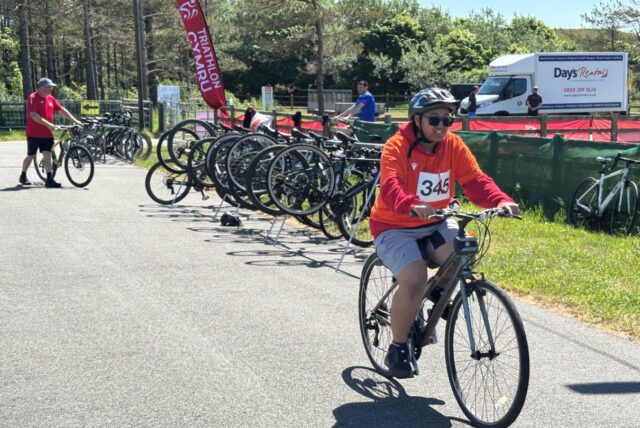
Learners with special needs: A new approach to recognising prior learning
Wales is pioneering a fresh approach to recognising prior learning, placing learners with additional learning needs at the centre and emphasising independent living skills rather than qualifications.

Villalba: Validation that empowers – putting learners at the centre
”If validation processes are too complex or inaccessible, they fail their purpose,” writes Ernesto Villalba from the European Centre for the Development of Vocational Education and Training (Cedefop). He calls for stronger support throughout identification and documentation.

Recognition of prior learning helps migrant women unlock their potential
As Europe struggles with fragmented systems for recognising prior learning (RPL), the EmpowerHer project offers an innovative approach that helps migrant women validate their work and life competences, build confidence and realise their potential.

EDITORIAL Why validation and recognition of prior learning matter now more than ever
In her editorial, ELM Editorial Board member Beth John explores the benefits of validation and recognition of prior learning. “Validation enhances motivation, self-worth, and supports efficient upskilling and reskilling,” she says.

I argue: Digital inclusion is key to democratic participation
“Digital inclusion is vital for enabling civic engagement and strengthening democracy. When citizens cannot navigate digital platforms, their ability to influence policies or shape communities is diminished,” writes Maja Brynteson of Nordregio in ELM’s “I argue” series.

Fostering civic engagement: Citizens Xelerator in Portugal
As Portugal faces declining support for adult education, initiatives like Citizens Xelerator are more crucial than ever. In Lisbon, women from the association Grandma Came to Work and Citizens Xelerator explored embroidery while developing civic skills and social connections.

I argue: Learner-centred pedagogies about AI can be intellectually oppressive
In ELM’s “I argue” series, Hugo-Henrik Hachem from Linköping University questions the emphasis on promoting critical thinking through learner-centred approaches to artificial intelligence (AI) literacy. He argues for an AI-centred pedagogy that shifts the pedagogical focus from students’ levels of thinking about AI (critical or naïve) to their attention and motivation to study AI.


