Learning & teaching

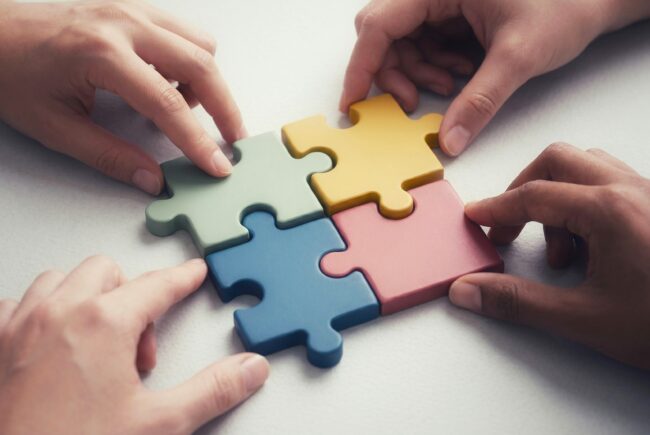
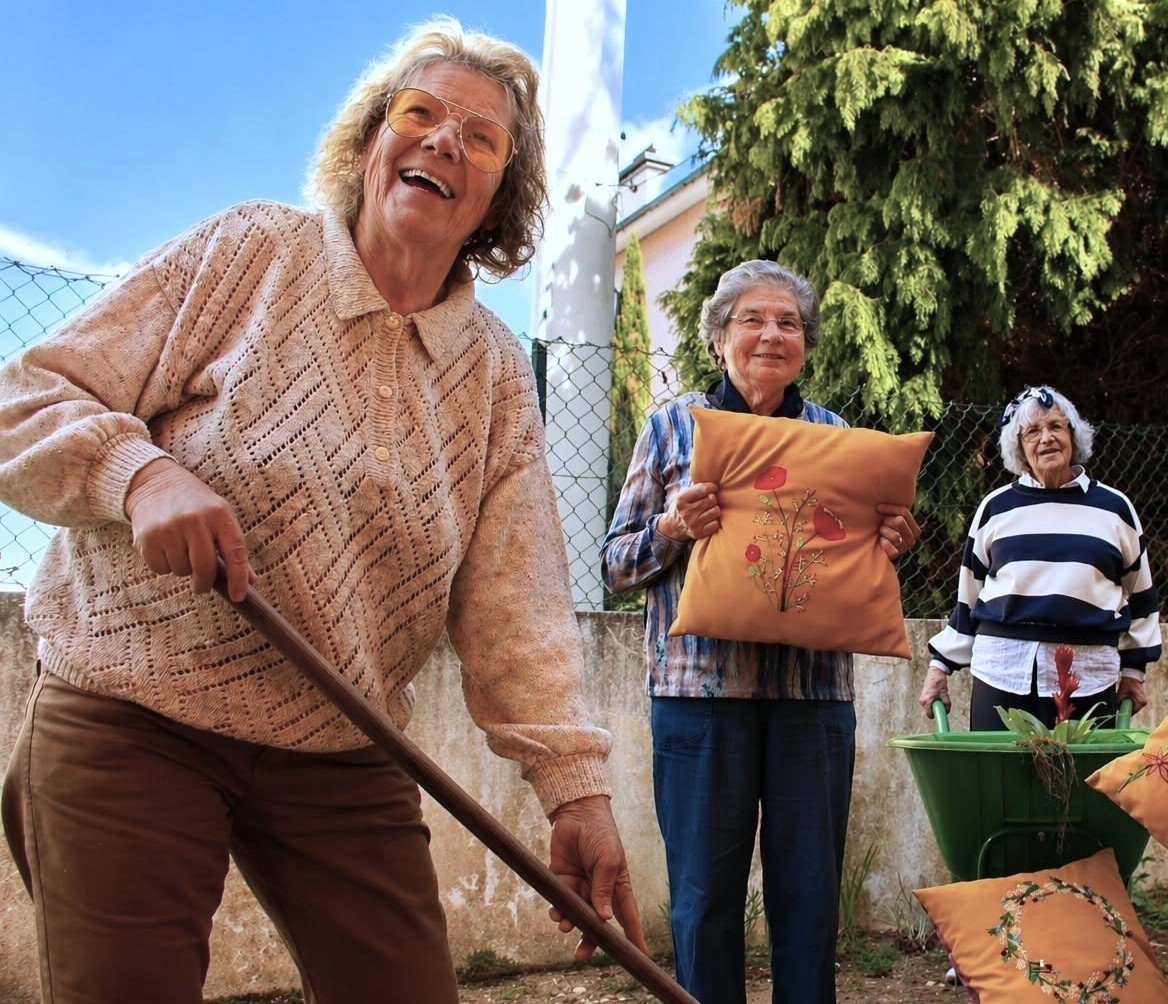
Contemporary adult learning often focuses on standardisation and the transfer of expert knowledge, says Marie Kirstejn Aakjær, Associate Professor at Aarhus University in Denmark. “However, we need the ability to integrate diverse forms of knowledge,” she argues. Photo: Alan Aprilio on Unsplash.
Contemporary adult learning often focuses on standardisation and the transfer of expert knowledge, says Marie Kirstejn Aakjær, Associate Professor at Aarhus University in Denmark. “However, we need the ability to integrate diverse forms of knowledge,” she argues. Photo: Alan Aprilio on Unsplash.
“To create more participatory and co-creative forms of learning, we should look back to the traditions that shaped adult education in the Nordic context,” writes Marie Kirstejn Aakjær of Aarhus University in ELM’s “I argue” series.
Across policy, research, and practice, there is growing emphasis on social innovation: The development of new ways of addressing social needs through new forms of collaboration, organisation and knowledge production. While this agenda calls for co-creation, participation and boundary-crossing engagement, there are few arenas for adults’ learning beyond formal courses that prioritise the transfer of expert knowledge.
Social innovation depends on the ability to bring together diverse forms of knowledge and to work across organisational and professional boundaries. This shifts the emphasis towards the collective production of knowledge and learning as a means of developing and renewing practice.
I argue that if we want more participatory and co-creative forms of learning – to meet and better respond to social needs in contemporary societies – we should look back to the traditions that shaped adult learning in the Nordic context.
IN THE NORDIC COUNTRIES, adult learning emerged as part of broader popular movements – labour, civic and cultural – that aimed to enable people to participate in society on more equal terms.
Learning circles became a central method in this development. From the outset, they were understood not only as a way to learn, but as a way to practice democracy. The guiding idea was clear: people should develop the capacity to think critically, deliberate and act together.
Many contemporary organisations still struggle to develop interprofessional collaboration, while new partnerships are established to create better practices around complex challenges in the welfare area.
At the same time, there is growing recognition that these capabilities are much needed: the ability to integrate diverse forms of knowledge, collaborate across differences and imagine new ways of addressing complex challenges.
RESEARCH ON LEARNING CIRCLES has long pointed to their role in fostering social trust, collective agency and everyday forms of democracy. They extend the idea of participatory learning into contemporary contexts, including workplaces and cross-organisational collaboration.
Learning circles rely on dialogue, shared inquiry and participants’ experiences as key resources for learning alongside research-based knowledge. Learning circles may involve actors beyond a single organisation, including practitioners from different sectors such as public, private and civil society sectors.
Learning circles should not be seen as a single model to be adopted wholesale. Rather, they are one expression of a broader tradition that emphasises the collaborative and democratic aspects of learning.
REVISITING THE HERITAGE of Nordic adult learning reminds us of that participatory learning approaches can create spaces where people can:
Such spaces do more than convey knowledge. They can cultivate the capacity to participate and co-create – within organisations and in society more broadly.
The “I argue” series of columns features texts written by researchers, each presenting a well-argued statement on a topic of their research.
References:
Aakjær, M. K., & Wegener, C. (2023). Theorizing learning circles: a Nordic tradition revitalized in times of social innovation imperatives. Journal of Education and Work, 1-14. https://www.tandfonline.com/doi/full/10.1080/13639080.2023.2231351
Hyrkkö, S., Kajamaa, A., Aakjær, M. K., Lotz, M. M., Avby, G. & Schoug Öhman, A. (In press). Problem-driven design methods for organizing collaborative learning: Learning circles and change laboratories. Information and Learning Sciences.
https://www.ucviden.dk/en/publications/problem-driven-design-methods-for-organizing-collaborative-learni/
This article is part of the theme ‘Community-Based Learning 2026’.
Read related articles here