
Sara Pasino
is an Italian journalist with a passion for written, multimedia and documentary storytelling. She holds an MA in International Journalism from Cardiff University and has contributed to a range of international outlets, including the BBC and the Swiss Broadcasting Corporation. Contact: sarapasino@gmail.com; @sarapasino.bsky.social
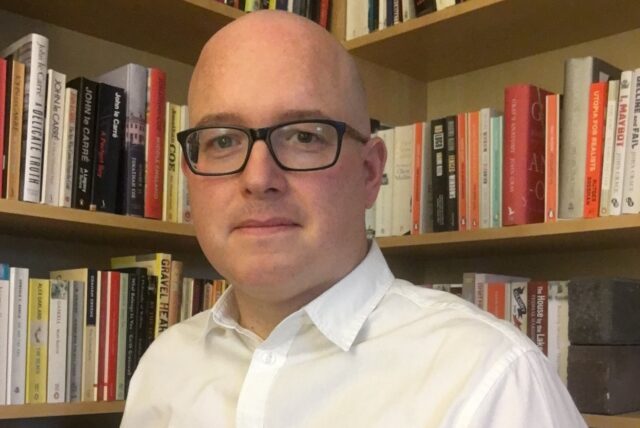
Alex Stevenson on England’s PIAAC results: Low-skilled adults are falling behind
A closer look at the 2023 PIAAC results on adult skills in England shows that the progress since 2013 has largely been among so-called high achievers. Low-skilled adults are being left behind, warns Alex Stevenson of the Learning and Work Institute.
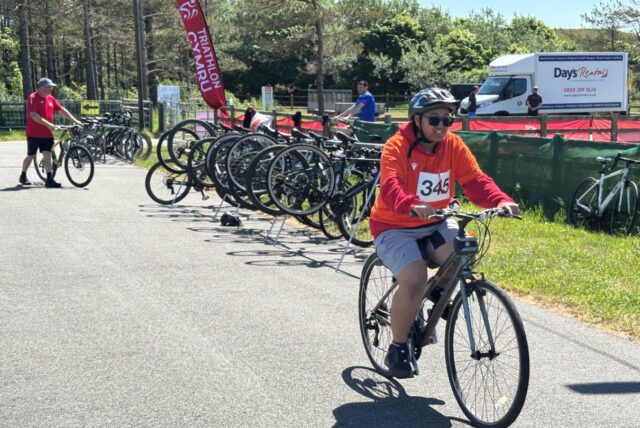
Learners with special needs: A new approach to recognising prior learning
Wales is pioneering a fresh approach to recognising prior learning, placing learners with additional learning needs at the centre and emphasising independent living skills rather than qualifications.
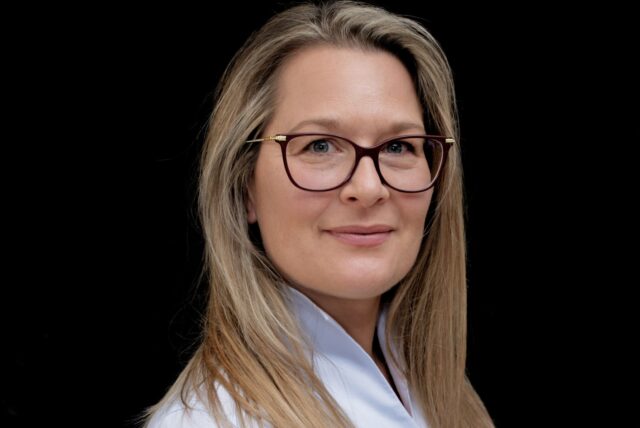
Recognition of prior learning helps migrant women unlock their potential
As Europe struggles with fragmented systems for recognising prior learning (RPL), the EmpowerHer project offers an innovative approach that helps migrant women validate their work and life competences, build confidence and realise their potential.

Democracy at the crossroads: dialogue or defence?
With polarisation on the rise, is meaningful dialogue across divides still possible? Political scientist Richard Gebhardt and psychologist Marina Weisband explore the issue from a German perspective.

Fostering civic engagement: Citizens Xelerator in Portugal
As Portugal faces declining support for adult education, initiatives like Citizens Xelerator are more crucial than ever. In Lisbon, women from the association Grandma Came to Work and Citizens Xelerator explored embroidery while developing civic skills and social connections.

Micro-credentials for megatrends: Nordic and German approaches
Amid European challenges, the Nordic countries and Germany are turning to adult education, short-term courses and micro-credentials for solutions. A closer look at the countries reveals differences and areas for improvement.

Lauri Tuomi of EAEA: “No adult learner in Europe should be left behind”
Lauri Tuomi, President of EAEA since June 2025, envisions a future where every adult learner can pursue lifelong learning. But how can this goal be achieved? And how can sustainable funding be secured?
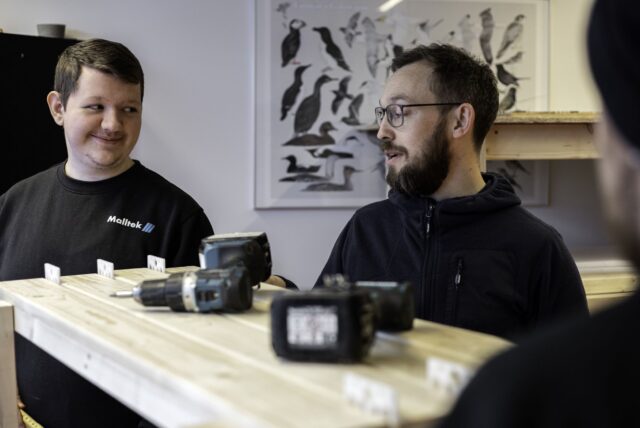
A Faroe Islands project helps young adults build confidence in education
The Faroese project Serbreyt invests in the education of young people with special needs. The key is identifying the strengths of the learners and building on them.

Barros: “Poor working conditions in academia hinder the integration of research and policy”
Why does cooperation between researchers and policymakers remain at a standstill in Portugal? “Because of the lack of recognition and improvement in the working conditions of scientists,” replies Rosanna Barros of the University of Algarve. What solutions does Barros propose?
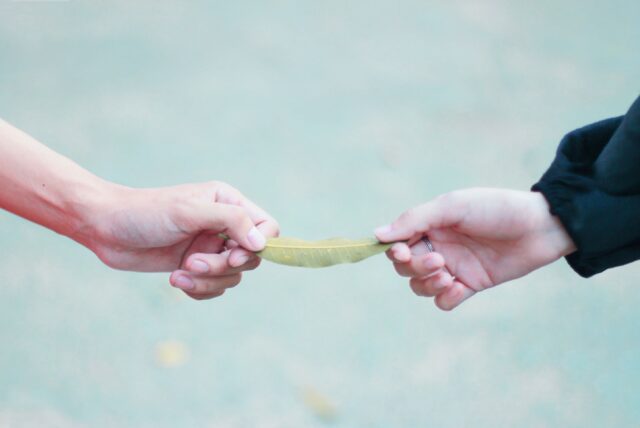
Research and practice: Equal collaboration can lead to relevant research
“A trusting, eye-to-eye dialogue is needed for fruitful collaboration between research and practice,” says Sonja Muders of the German Institute for Adult Education. Amid divergent languages and priorities, how can that be achieved?


