
policy

Soltic on Flanders tuition hikes: Threats to lifelong learning and employability
Flanders has raised fees for so-called “non-essential” courses. “Yet they often serve as stepping stones to career development, and short-term savings risk long-term growth,” writes Jorie Soltic of KU Leuven in her Speakers’ Corner column, produced with the European Association for the Education of Adults.

Recognition of prior learning helps migrant women unlock their potential
As Europe struggles with fragmented systems for recognising prior learning (RPL), the EmpowerHer project offers an innovative approach that helps migrant women validate their work and life competences, build confidence and realise their potential.

EDITORIAL Why validation and recognition of prior learning matter now more than ever
In her editorial, ELM Editorial Board member Beth John explores the benefits of validation and recognition of prior learning. “Validation enhances motivation, self-worth, and supports efficient upskilling and reskilling,” she says.

Micro-credentials for megatrends: Nordic and German approaches
Amid European challenges, the Nordic countries and Germany are turning to adult education, short-term courses and micro-credentials for solutions. A closer look at the countries reveals differences and areas for improvement.

Lauri Tuomi of EAEA: “No adult learner in Europe should be left behind”
Lauri Tuomi, President of EAEA since June 2025, envisions a future where every adult learner can pursue lifelong learning. But how can this goal be achieved? And how can sustainable funding be secured?

EAEA’s Kihrer: Strengthening the links between policy, practice and research
Raffaela Kihrer became the new Secretary General of the European Association for the Education of Adults (EAEA) in January 2025. What are her main objectives in this role? What brings her the most joy? And what worries keep her up at night?
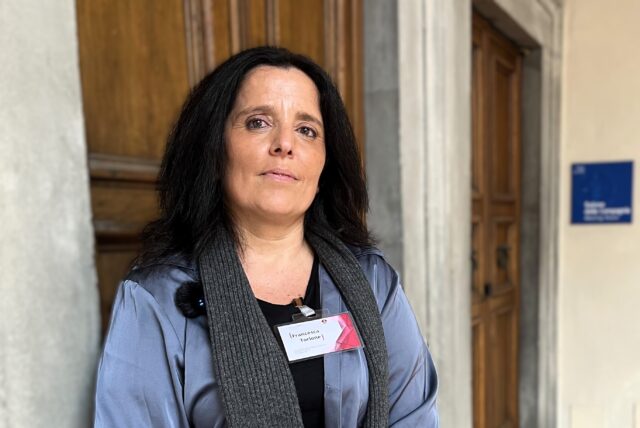
Bridging the gap: How stakeholder cooperation can enhance lifelong learning
Conducted across 21 European countries, the RegALE survey highlights the urgent need for better cooperation among policymakers, practitioners and researchers to create a more inclusive and effective adult education system in Europe. Francesca Torlone of the University of Florence discusses the survey results, noting the fragmented state of adult education and proposing solutions.
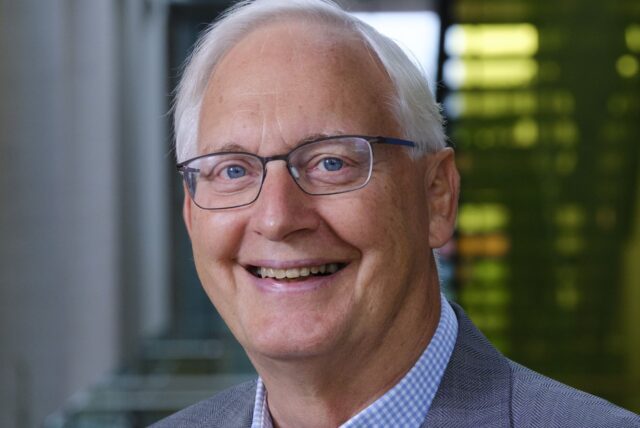
EDITORIAL How best to harness the research in adult education?
In his editorial on the theme of Research and Practice, ELM Editorial Board member Jón Torfi Jónasson highlights how good research can open new worlds and push us forward. With an open mind, it becomes a powerful inspiration for improving practice and shaping policy.
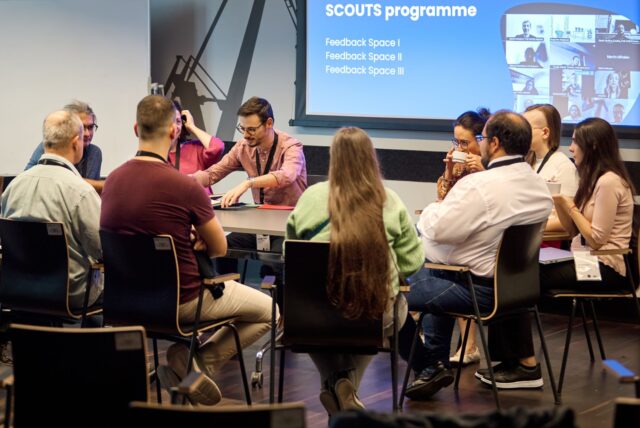
What role can companies play in civic education?
As political trust wanes and populism rises, there are calls for Europe’s corporate sector to step up. The Civic Scouts at Work programme empowers employees to promote democracy through civic education in corporate training. Can corporate social responsibility help adult learners cope with policy changes in Europe?
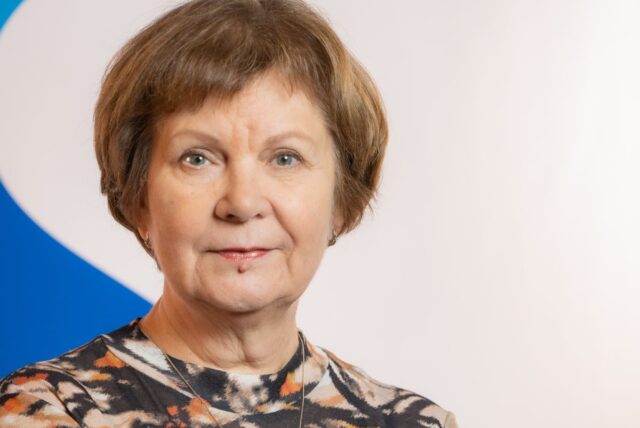
Estonians’ belief: Education is the gateway to enhanced living
Could the outstanding results in Estonia’s general education be translated into adult education? In her column, Maie Kitsing explores the four pillars of the country’s education system. Kitsing serves as Advisor at the General Education Department at the Estonian Ministry of Education and Research.


