
Learning & teaching
This category offers articles on best practices in learning and teaching, as well as the benefits and challenges of adult education and lifelong learning. These articles also explore global societal phenomena and their connections to lifelong learning.

Why gender identity matters to every adult educator
Award winning LGBT+ Advocate and former NIACE Policy Officer Lisa Vine talks about trans and non-binary in adult education.

Education to stop child sexual abuse
Child sexual abuse continues to be a widespread phenomenon in Europe despite a European convention expressly requiring all countries to be effective in protecting children. Adult education is now playing an increasingly important role in prevention work.
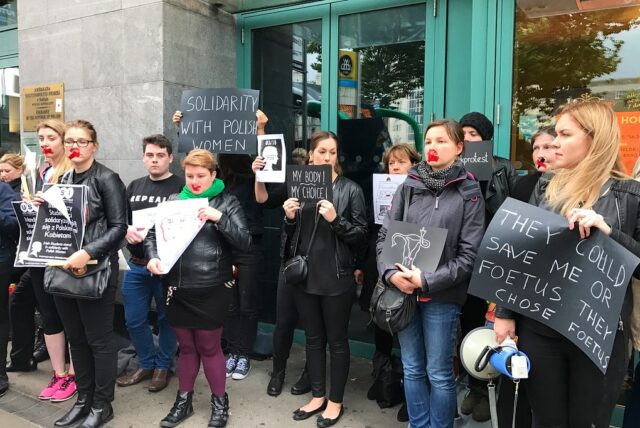
Black Protests, newly found feminism and voluntary sex education – Polish women are changing society
In recent years, Poland’s women have been visible in the international media – for fighting for their rights. What brought them to protest on the streets, and what kind of solutions have they come up with in their fight for equality?
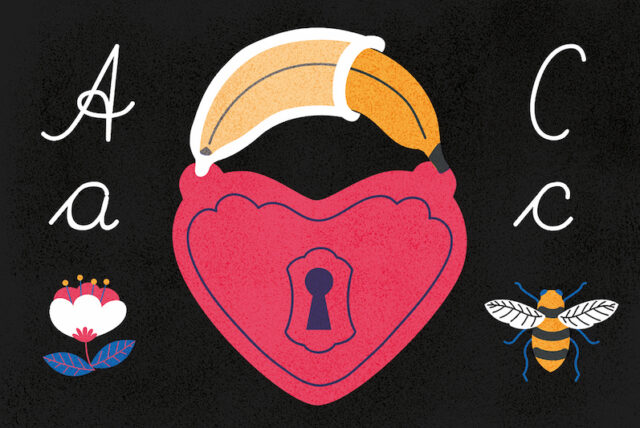
How do they do it? – It is time to modernise the practices of sex education for adults
Enough of calling masturbation a sin and sexuality education a subject about reproduction. Both youth and adults are a vital target group when talking about sexuality. Professionals working in education and with human well-being are all needed in the modernisation of sex education in Europe.

Ingredients in successful sex education for adults
Sex educator Pelle Ullholm from long-running Swedish sexual and reproductive health organisation, RFSU, shares 5 tips on how to target the adult audience.

EPALE – A rich beauty with some challenges
The EU has invested a lot of money and human resources in an ePlatform for Adult Learning in Europe, EPALE. How does it work? In honour of the five-year anniversary, Michael Sommer listed the pros and cons of the project.

Who is qualified to be an adult educator?
While teaching primary school children requires a qualification, in many countries virtually anyone can declare themselves to be an adult educator. The GRETA project in Germany is trying to find structure in a field suffering from systemic deskilling.

Improving Portugal’s levels of education at Qualifica Centres
Qualifica centres are state-supported validation and qualification centres for adults. The results are promising, as the example of Azambuja’s Qualifica centre shows.

Validation processes set to gain from 21st-century innovations – Challenges in certification still hampering learners
The modern world of open borders, workforce mobility and ever more digital and non-formal learning opportunities pose a validation challenge: a need to establish up-to-date methods for recognising competences.
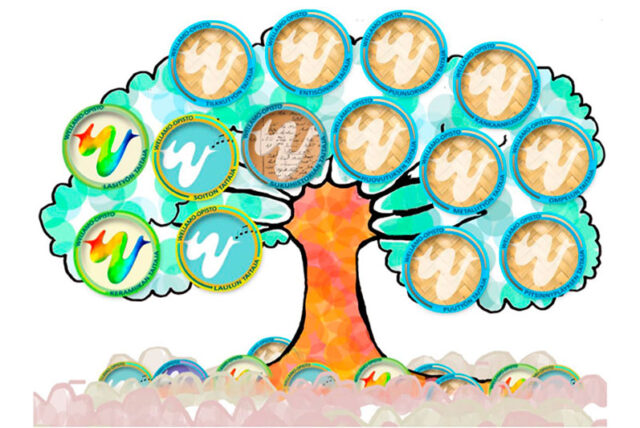
A badge for (working) life
Skills-based badges not only recognise a learner’s achievements but also boost their self-esteem and motivation. Merja Kittelä, a teacher responsible for planning at Wellamo Community College, answers three quick questions about her work in the validation of non-formal learning.


