
Learning & teaching
This category offers articles on best practices in learning and teaching, as well as the benefits and challenges of adult education and lifelong learning. These articles also explore global societal phenomena and their connections to lifelong learning.

Dying for beginners
“Last Aid Courses” have been gaining popularity in many parts of the world. They aim to offer basic knowledge in palliative care but also break taboos around death.

Improvising the unexpected
An improv mindset, which professionals of numerous fields train by applying methods from stage improv, helps them to become more observant and cooperative. Facing the unexpected is less stressful with the right attitude and energy.
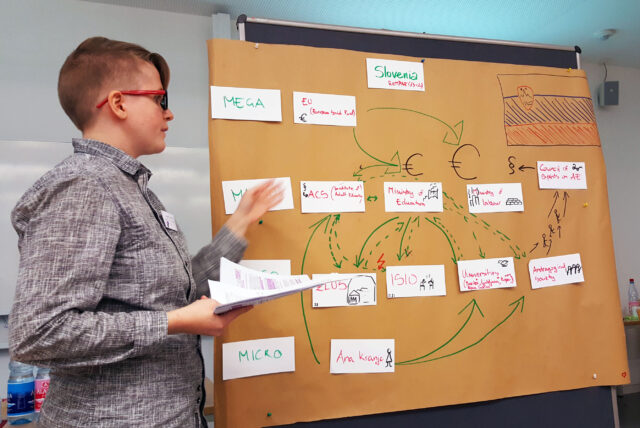
Discussing similarities and differences in global adult education
We asked four students from different parts of the world to reflect on their experience at the international Winter School of Adult Education and Lifelong Learning.
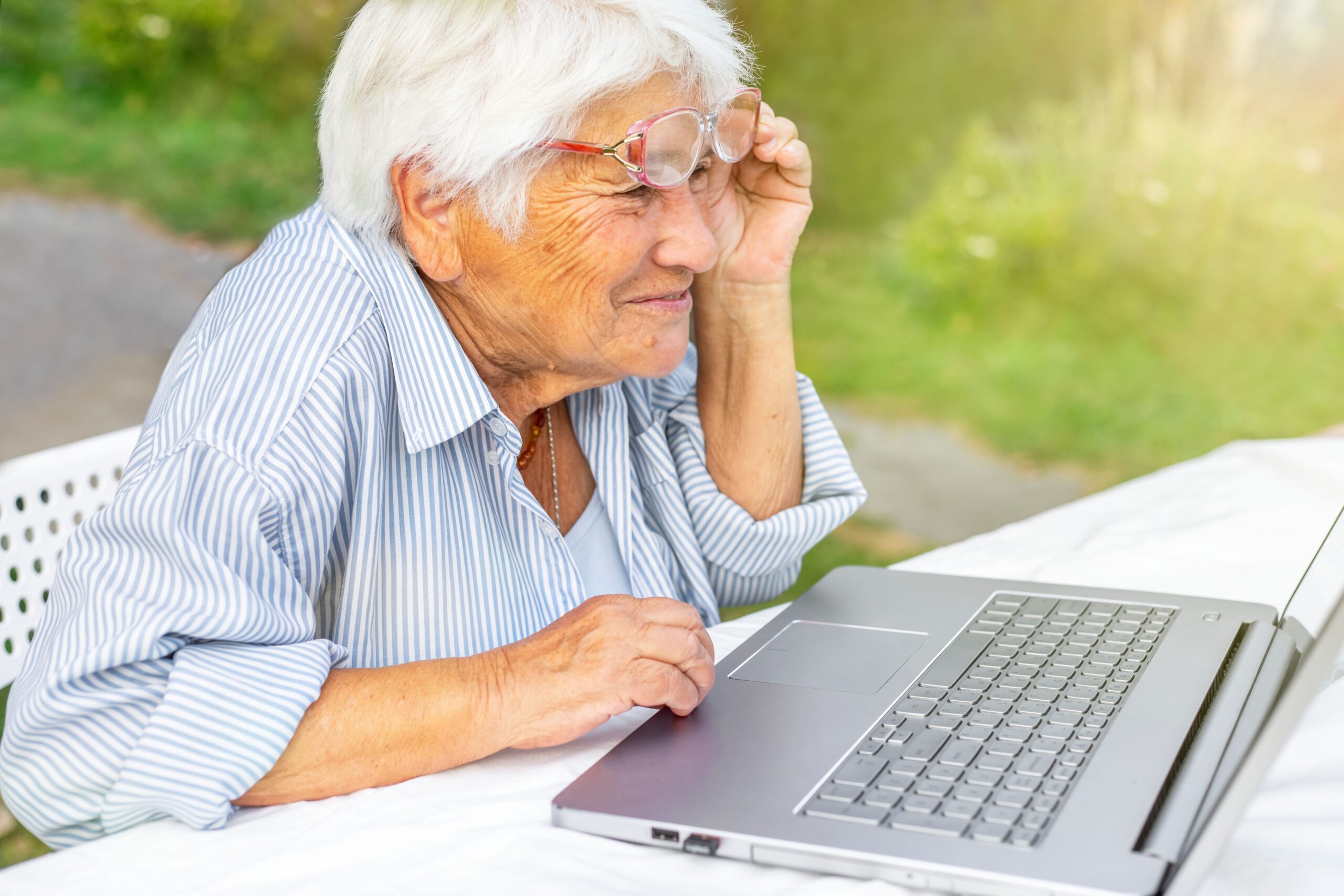
What keeps Portugal’s elderly offline?
In Portugal only slightly over one third of senior citizens use the internet. In order to fight this digital exclusion, more must be done, researcher Celiana Azevedo argues.

Language as a tool for integration
How does learning a new language as an adult differ from learning one as a child? Five professionals from around the world and different backgrounds discuss their experiences of learning German in a new home country.
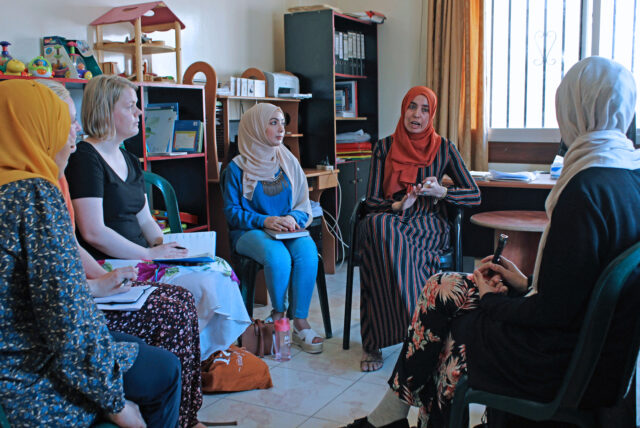
Refugee camp workers learn stress management to cope with desperate situations
Palestinian social workers in Lebanon have been training with psychologists to manage the stress caused by their job. The trainees are now learning to pass their skills on.

Why layers of life experience matter in learning
If life is the adult learner’s living textbook, seniors are those with the most pages in their books. Experiential learning can help bring this to the forefront, argues Anita Malinen.

Senior volunteers and migrants fighting social exclusion
Both elderly people and migrants are at risk of becoming isolated in many societies. With the right training, seniors can use their life experience and help newcomers to integrate into the host country.

Media literacy and seniors – Much more than recognising fake news
A recent study found that particularly older internet users were responsible for sharing fake news online. But there’s much more to the seniors’ media literacy skills than that, as researcher Päivi Rasi reminds us.

Breaking through the barrier of digital complexity
All seniors did not familiarize with modern information and communication tools in their working lives. But now, since digital competence is strongly linked to wider well-being and autonomy, it is time for them to learn. Therefore, there is a need for low-threshold, close to home, meaningful opportunities to learn digital skills.


