
inclusion
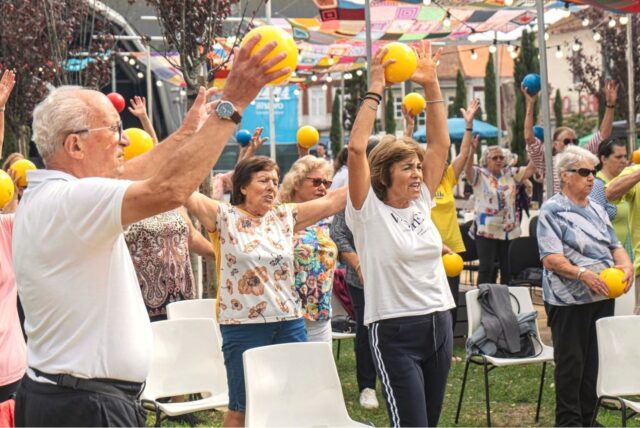
Community-based learning across Europe: lessons from local initiatives
Across three corners of Europe, a shared thread connects Italy, Portugal and Lithuania: the central role of community in lifelong learning.
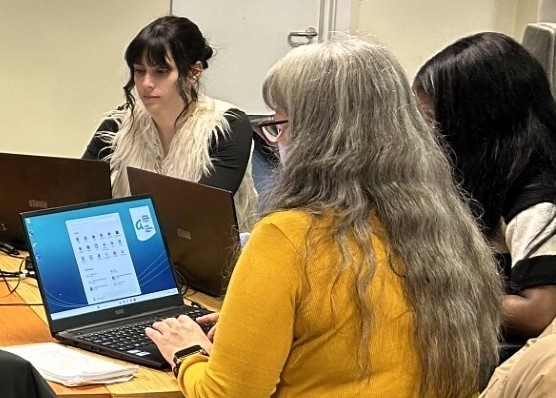
Teaching resilience as an employability skill in Wales
Resilience skills are embedded in employability courses by Adult Learning Wales, providing mature jobseekers and community newcomers with a range of ‘soft skills’ alongside the nuts and bolts of jobhunting.
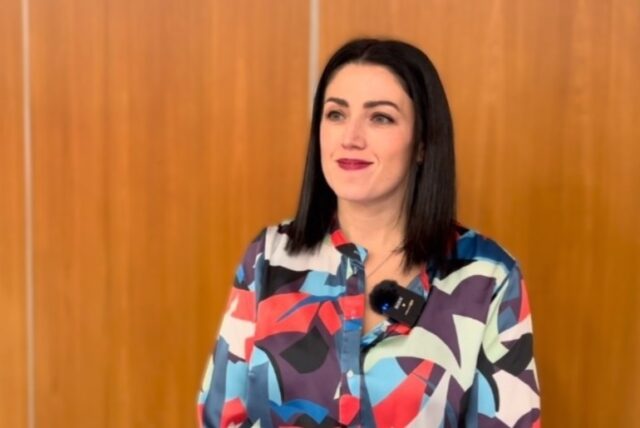
Dearbháil Lawless: “Non-formal adult education puts learners at the heart of resilience”
The learner’s voice must be the central guide in non-formal adult education as it aims to bolster societal resilience, says Dearbháil Lawless. She leads Ireland’s National Adult Learning Organisation (AONTAS), which embeds adult learners’ voices into every stage of its activities.
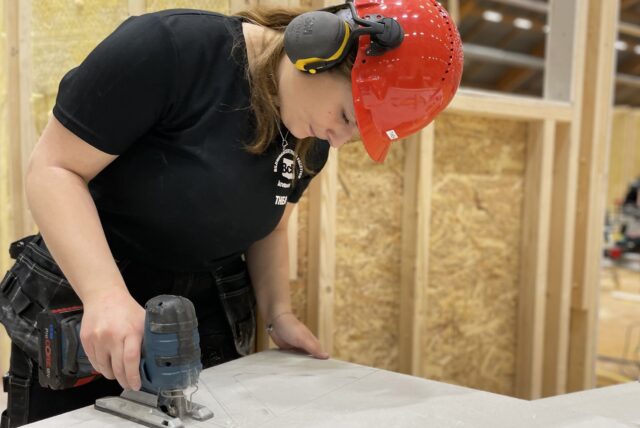
Trustworthy validation of qualifications for labour market needs
Over the past decade, the Swedish Qualifications Framework for Lifelong Learning has enabled thousands to earn non-formal qualifications in fields from forestry to hairdressing. Trustworthiness is built into the system, explains Anna Kahlson of the National Agency for Higher Vocational Education.

Tommaso Caraccioli: “Adult educators need visibility and recognition”
Our “Meet the board” series introduces the members of ELM Magazine’s editorial board. Our new member, Tommaso Caraccioli from the University of Würzburg, emphasises the value of exchanging knowledge and experiences among educators.

Flexible skills validation for people outside the labour market
Sweden’s Folkuniversitetet has developed its own approach to the Open College Network (OCN) method, born in the UK half a century ago. It offers flexible skills validation for people who are detached from the mainstream labour market and education system.

Patrick Werquin: “RPL does not yet reach the neediest”
“Fear of failure and lack of guidance keep those who need it most from accessing recognition of prior learning,” writes Patrick Werquin, professor at the French higher education institution CNAM, in his column. He has worked in education and the labour market across Africa, Europe and Southeast Asia.
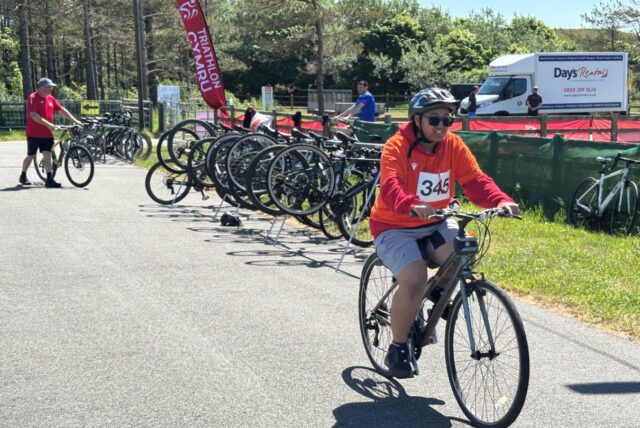
Learners with special needs: A new approach to recognising prior learning
Wales is pioneering a fresh approach to recognising prior learning, placing learners with additional learning needs at the centre and emphasising independent living skills rather than qualifications.

Villalba: Validation that empowers – putting learners at the centre
”If validation processes are too complex or inaccessible, they fail their purpose,” writes Ernesto Villalba from the European Centre for the Development of Vocational Education and Training (Cedefop). He calls for stronger support throughout identification and documentation.

Recognition of prior learning helps migrant women unlock their potential
As Europe struggles with fragmented systems for recognising prior learning (RPL), the EmpowerHer project offers an innovative approach that helps migrant women validate their work and life competences, build confidence and realise their potential.


